


General Information

POPULATION:

LANGUAGE:
The United States is the undisputed leader in global higher education, offering a diversity of programs and a technological infrastructure that defines the professional future. With elite institutions such as the Ivy League and large state research universities, the country is the epicenter of innovation in technology, business, film, and science. Studying in the United States not only provides a globally recognized degree, but also offers the experience of American campus life, a global network of contacts (networking), and the possibility of professional internships through the OPT (Optional Practical Training) program at the most influential companies on the planet.

CLIMATE
Due to its continental size, the climate in the United States varies dramatically from arctic in Alaska to tropical in Florida and Hawaii. In the Northeast (New York), winters are freezing with snow (-5°C to 4°C) and summers are hot and humid. The West (California) enjoys a Mediterranean climate with mild temperatures year-round (12°C to 25°C). In the Midwest (Chicago), the seasons are very distinct with extreme winters. This variety allows students to choose the environment that best suits their preferences, whether it's the constant sunshine of Arizona or the distinct seasons of New England.

Cost of living
MONTHLY AVERAGE
SALARY

NATIONAL ECONOMY
The U.S. economy is the largest and most technologically advanced in the world, driven by consumption, financial innovation, and the technology sector. It is home to Silicon Valley, Wall Street, and Hollywood, generating constant demand for global talent in engineering, finance, healthcare, and digital media. For international students, the strength of the U.S. job market represents a unique opportunity to integrate into cutting-edge industries. In addition, its economic system encourages entrepreneurship, allowing many startups born in college dorm rooms to become global powerhouses.


Lives in
United States

HEALTH
The healthcare system in the United States is private, technologically advanced, but extremely expensive. There is no universal public coverage. Therefore, it is strictly mandatory for international students to have medical insurance (usually provided or approved by the university). Without insurance, a simple emergency visit can cost thousands of dollars. It is vital to understand insurance policies (deductibles and copayments) before using medical services.

DRIVING LICENSE
A driver's license is the primary form of identification in the US and is issued by each state's DMV. International students can use their foreign license (with a translation if necessary) for a short period (usually 30 to 90 days). After that, they must obtain a state license, which usually requires a written and practical exam. In most U.S. cities (except large metropolitan areas), having a car is a basic necessity for mobility.


Discover
United States
From skyscrapers to national parks: Landscapes of the United States
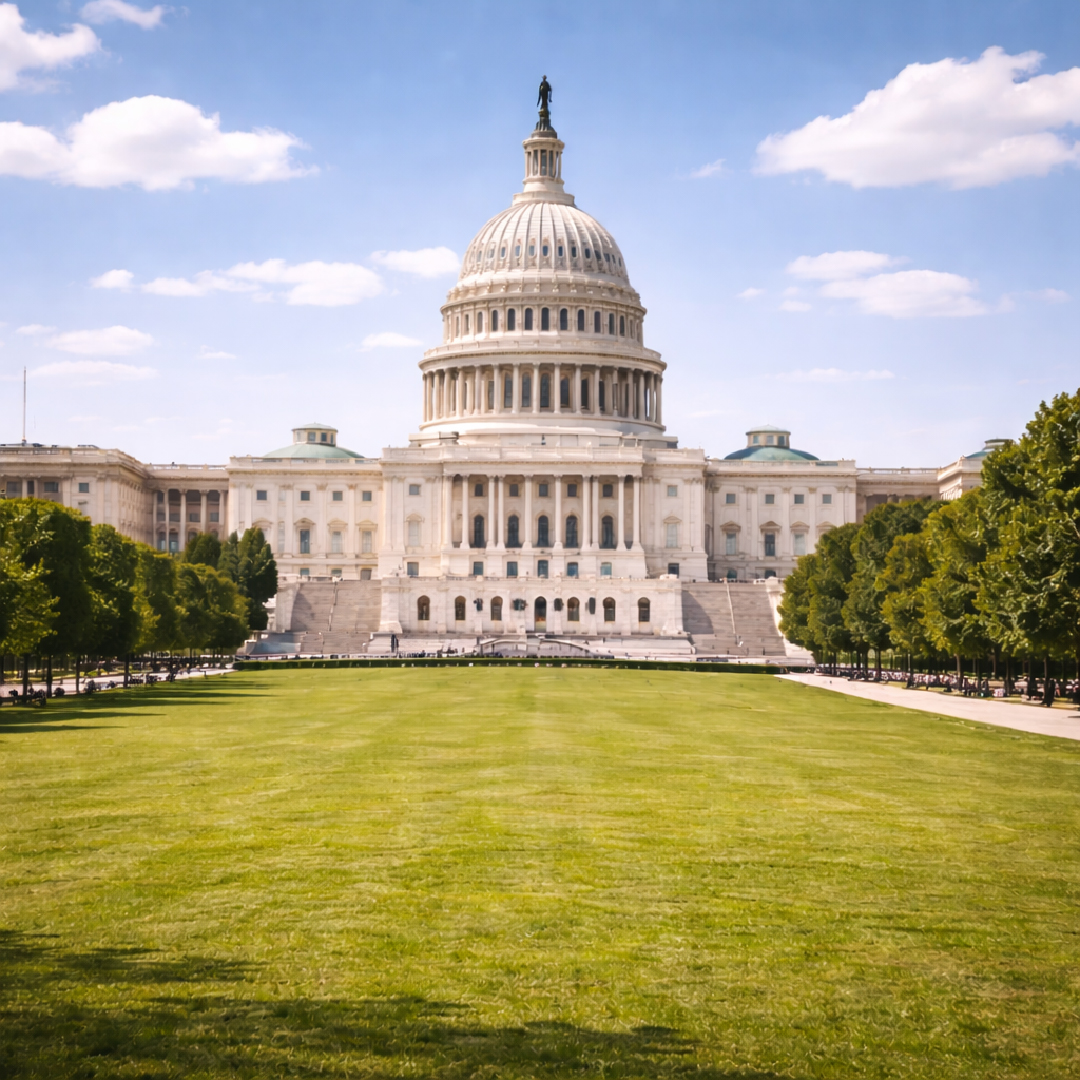
The United States offers a geographical and cultural scale that is difficult to match, with landmarks that are global icons. Students can explore the boundless energy of New York with its museums and Broadway, or the magic of cinema in Los Angeles. For nature lovers, the Grand Canyon, Yellowstone National Park, and the beaches of Miami are must-see destinations. In addition, historic cities such as Boston and Washington, D.C., offer an immersion in the country's political and academic history. The network of domestic flights and trains makes it easy to travel across this vast territory during the holidays.


Unlimited entertainment: Sports, shopping, and pop culture
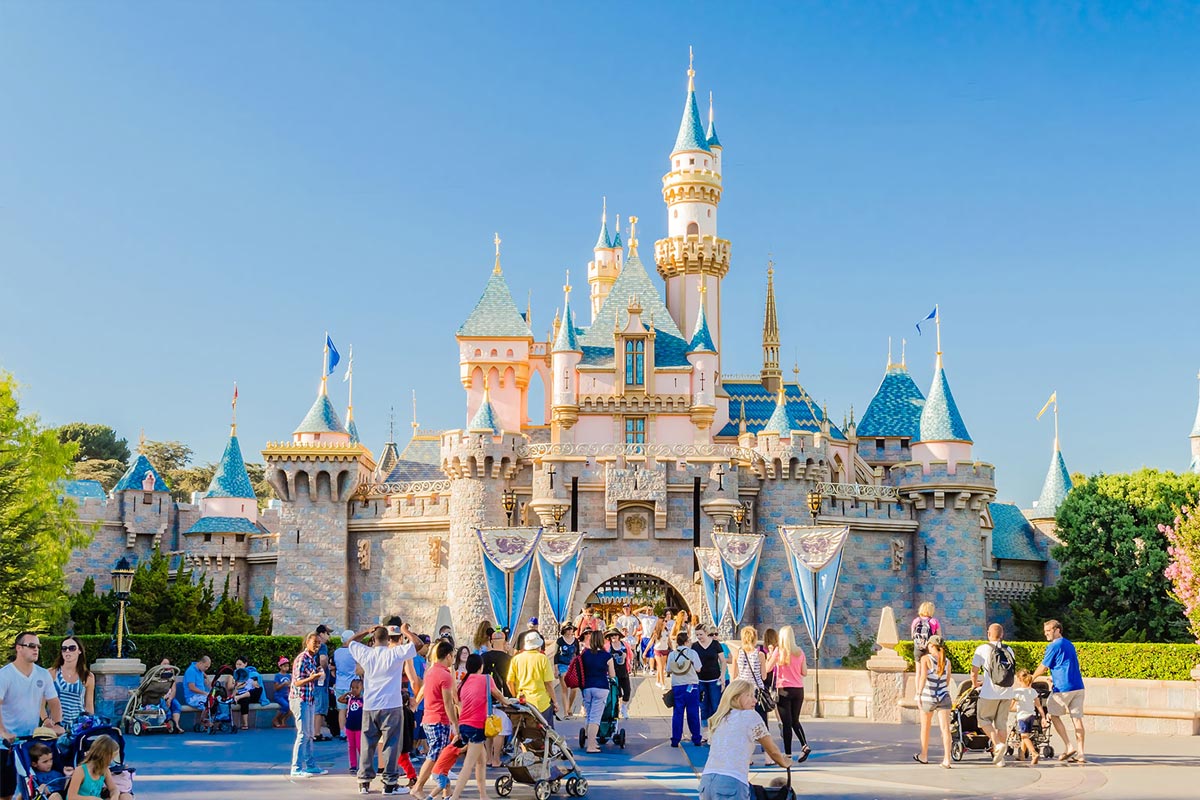
Leisure in the United States is marked by "extra-large" scale and entertainment offerings that dominate the world. Sports are a fundamental part of social life; attending an NBA (basketball), NFL (American football), or MLB (baseball) game is an essential cultural experience. Students also enjoy giant shopping malls, music festivals such as Coachella, and a huge variety of theme parks such as Disney World. In addition, fast food culture coexists with a world-class international gastronomic scene, reflecting the diversity of its inhabitants on every corner.

Study at
United States
List of educational institutions
Alliant University



Alliant University
San Diego
Schiller USA
Schiller USA
Tampa
.png)
Syracuse University
Syracuse University
New York
.png)
The Catholic University of America
The Catholic University of America
Washington, D.C.
.png)
Bentley University
Bentley University
Waltham, Massachusetts
.png)
Pepperdine University
Pepperdine University
Malibu, California

Washington University in St. Louis
Washington University in St. Louis
St. Louis
Florida International University
Florida International University
Miami
Arizona State University
Arizona State University
Arizona
University of Potomac
University of Potomac
Washington, D.C. - Virginia

Millennia Atlantic University
Millennia Atlantic University
Miami - Doral
Webster University
Webster University
St. Louis - Texas

Frequently Asked Questions

Does the institution guarantee employment?

No. No institution can guarantee employment. Some offer career services and job fairs.
What is OPT?
Optional Practical Training (OPT) allows you to work for up to 12 months after graduation in a field related to your studies. STEM programs can extend OPT for an additional 24 months.
What is CPT?
Curricular Practical Training (CPT) allows you to work off campus if the program includes mandatory internships.
Can I work in the United States with a student visa?
Yes, but with restrictions:
• On-campus: up to 20 hours per week during classes
• Off-campus: only with special authorization (CPT or OPT)
Is there a cost for the student visa?
Yes. The approximate costs are:
• SEVIS fee: USD $350
• F-1 visa: USD $185 (Prices may vary depending on official updates).

Cra. 15 No. 88-64, Local 103,
Bogotá, Colombia
2025 Rue Parthenais
suit 320
Montreal, Quebec, Quebec,
Canada


