

General Information

POPULATION:

LANGUAGE:
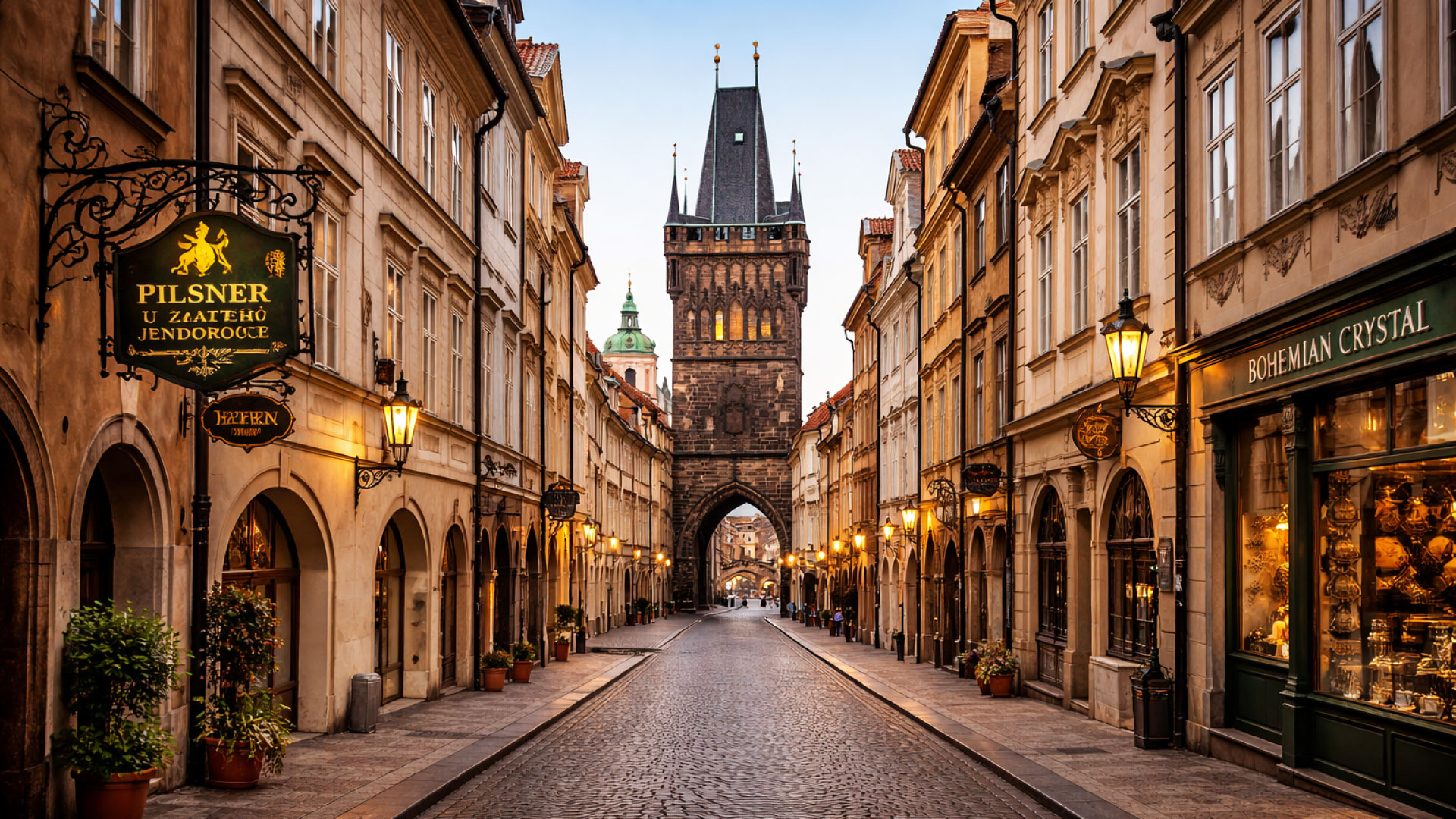
The Czech Republic has established itself as one of Europe's smartest academic destinations, combining a world-renowned university tradition with a highly competitive cost of living. Strategically located in the heart of the continent, it offers international students a safe, modern, and vibrant environment, where educational excellence blends with fairytale architecture. It is the perfect setting to boost your professional future: globally recognized degrees, a multicultural student community, and the ease of traveling throughout Europe, all in a nation that breathes history and innovation in equal measure.

CLIMATE
The Czech Republic is a sovereign country located in the heart of Central Europe, bordering Germany, Austria, Slovakia, and Poland. It has a temperate continental climate with four distinct seasons: warm summers with average temperatures of 25°C and cold, cloudy, and often snowy winters with temperatures ranging from -5°C to 5°C.

Cost of living
MONTHLY AVERAGE
SALARY
NATIONAL ECONOMY
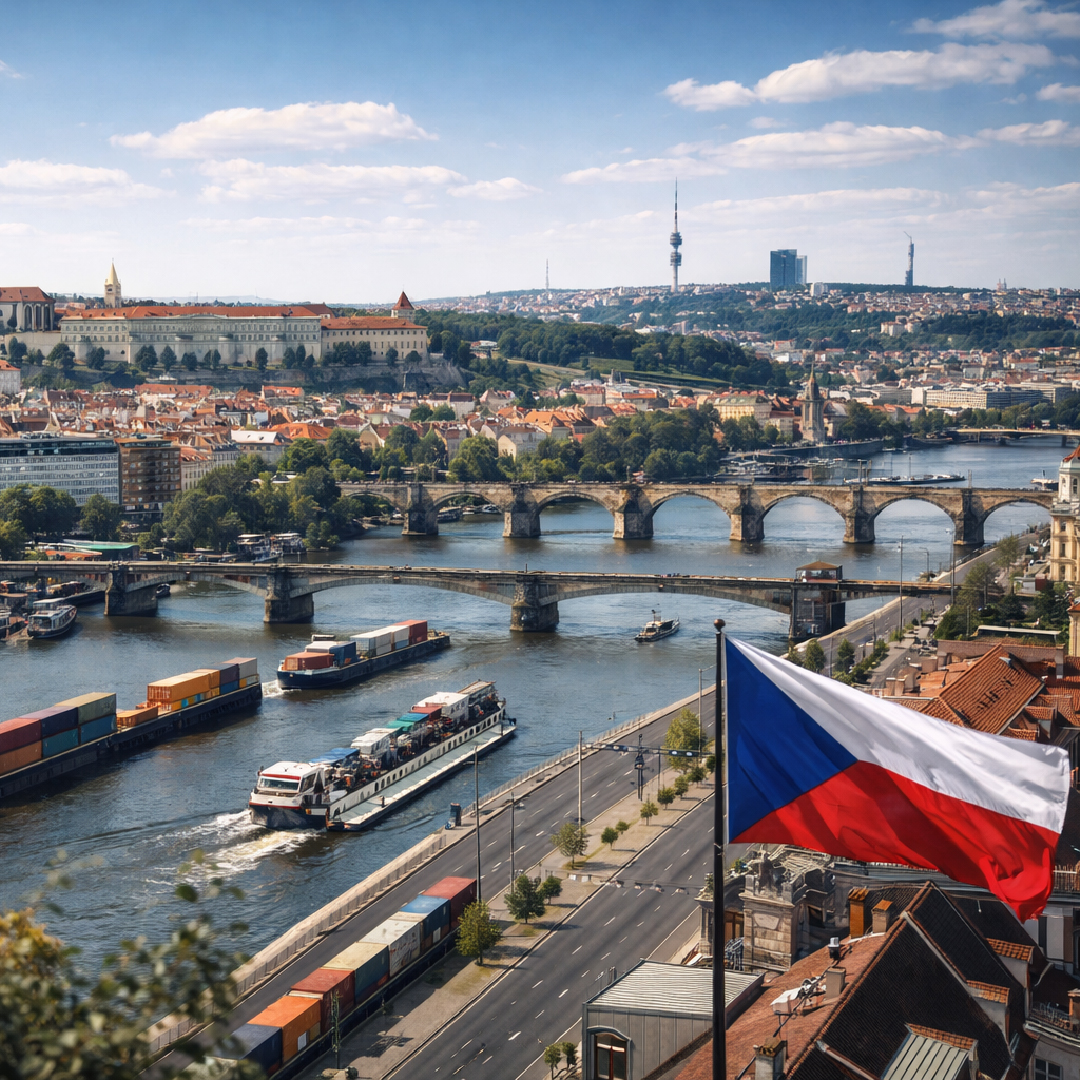
The Czech economy has established itself as one of the most industrialized and stable in the European Union, maintaining a strong dependence on exports, especially to Germany. The automotive sector remains the main driver, with Škoda Auto leading the transition to mass production of electric vehicles, which has attracted significant investment in battery factories and high-tech components. In addition to heavy manufacturing and mechanical engineering, the country has positioned itself as a strategic hub for IT and cybersecurity services in Central Europe. Despite these advances, the economy faces the challenge of a persistent shortage of skilled labor, although it maintains one of the lowest unemployment rates on the continent.


Lives in
Czech Republic

HEALTH
Access to the healthcare system is a mandatory requirement for obtaining and maintaining a student visa in the Czech Republic. EU students can use their European Health Insurance Card (EHIC) to receive necessary and urgent medical care. On the other hand, non-EU students must take outcomprehensive health insurance. You can choose from a number of authorized companies such as AXA, Slavia, or Maxima, provided that the policy covers preventive care, emergencies, and repatriation. A key point to note is that if, as a student, you obtain formal employment with a Czech employer, you automatically enter the public health system, where contributions are deducted from your salary and you obtain a public insurance card (such as VZP or OZP), which is accepted in virtually all hospitals and clinics in the country without the need for additional payments.

DRIVING LICENSE
If you are a student from a European Union country, you can drive in the Czech Republic using your original license indefinitely, provided it is valid. For students from outside the EU (such as Latin America or the US), a foreign license accompanied by an International Driving Permit (IDP) is allowed for a maximum of six months. However, if your study stay exceeds one year or if you officially reside in the country for more than 185 days per year, Czech law requires you to exchange your license for a local one within 90 days of receiving your residence permit. It is important to note that in order to obtain a Czech license from scratch, you must enroll in a driving school (Autoškola), demonstrate medical fitness (which, as of 2026, will be processed through a centralized electronic evaluation), and pass a theory test that can be taken in English, although the practical test must be taken in Czech, usually with the help of a certified translator.


Discover
Czech Republic
Treasures of the Czech Republic: From Imperial Cities to Nature
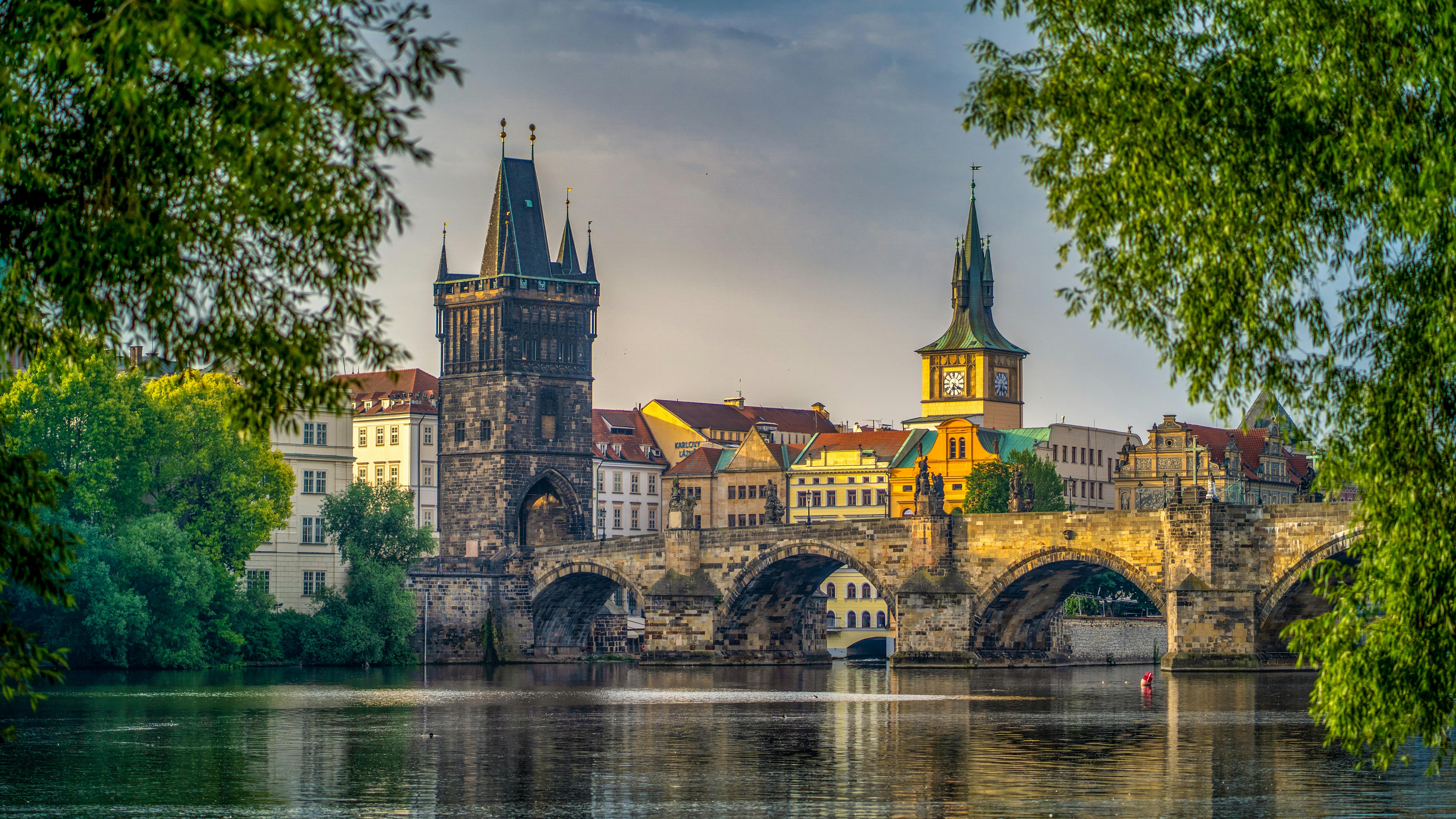
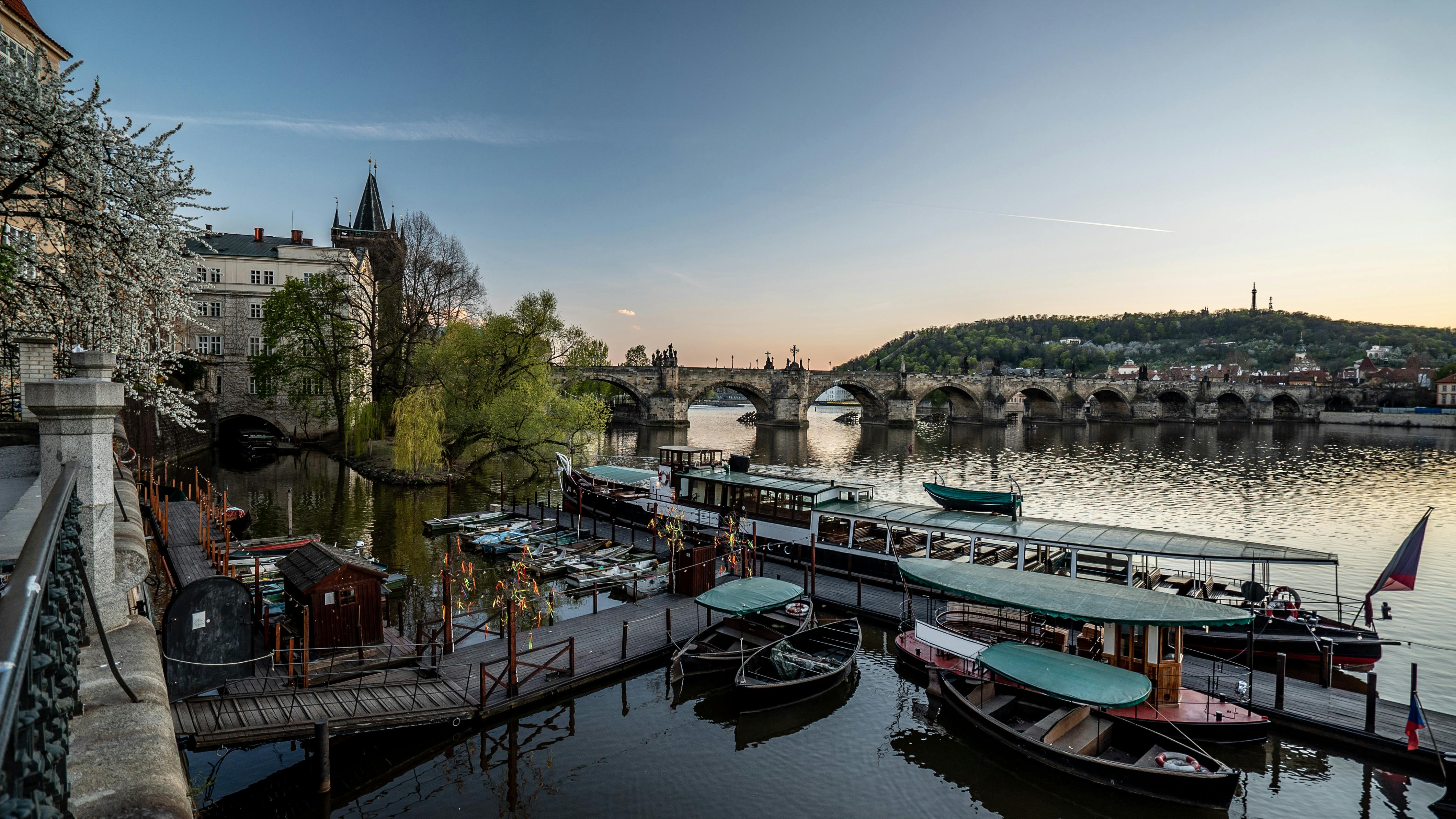
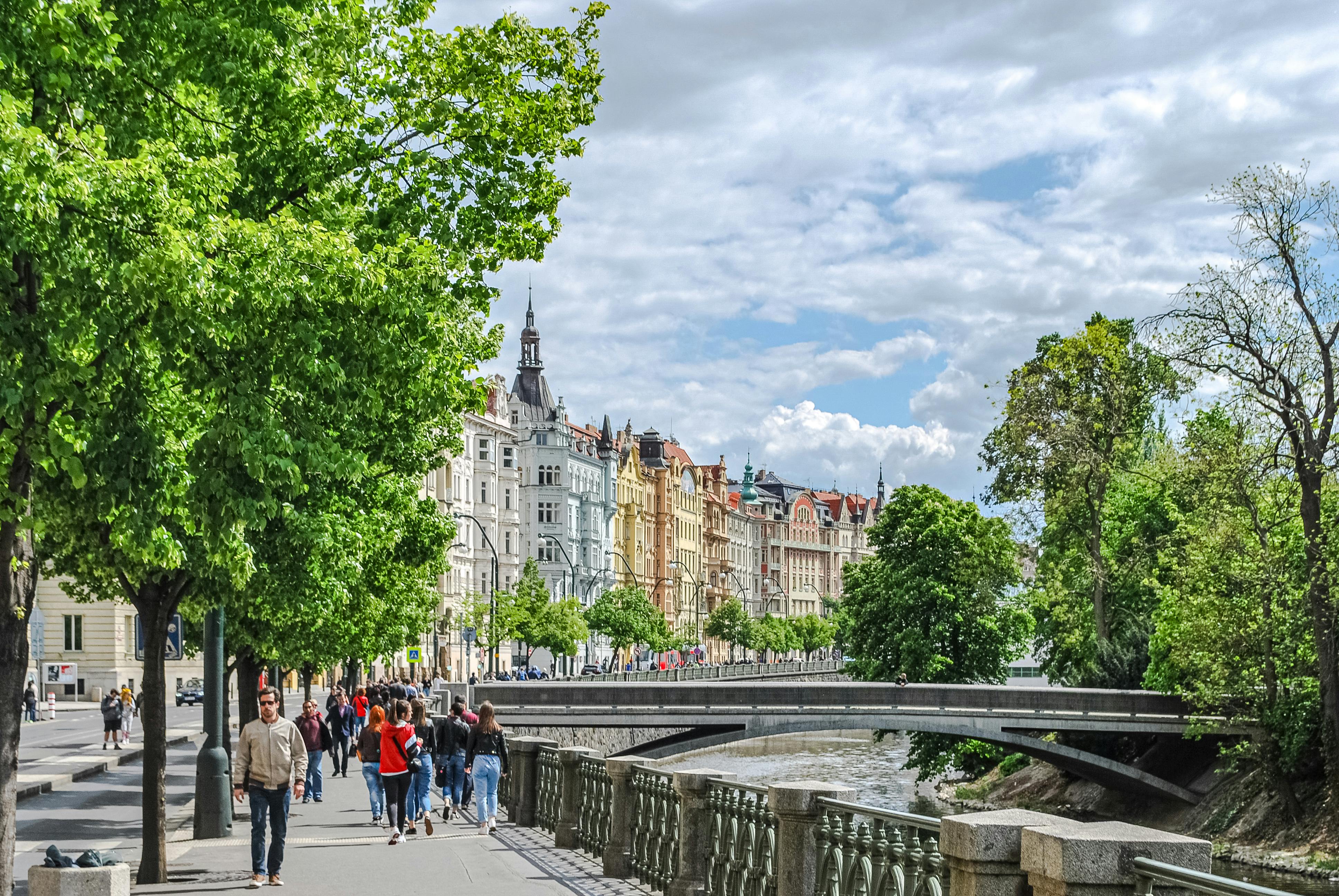
Exploring the Czech Republic means immersing yourself in a perfect blend of living history and breathtaking natural landscapes, starting with Prague, which captivates visitors not only with its medieval bridge, but also with the modern energy of neighborhoods such as Holešovice and Vinohrady. To the south, the town of Český Krumlov transports travelers to a fairy tale with its castle overlooking the Vltava River, while Kutná Hora offers a fascinating contrast between the Gothic elegance of its cathedral and the mysticism of its famous ossuary. Wellness can be found in the thermal springs of Karlovy Vary, a spa town with imperial architecture, while hiking enthusiasts will find paradise in the Bohemian Switzerland National Park, home to the most impressive natural stone arches in Europe. Finally, the Moravia region closes the tour with the university vitality of Brno and the splendor of the Lednice-Valtice Area, where extensive vineyards and neo-Gothic castles demonstrate why this country is considered the cultural and scenic heart of the continent.
Latido Checo: Glass and Mountain Routes
To experience the Czech Republic is to master the ritual of beer in Pilsen and lace up your boots to explore the most precise hiking network on the planet. From mystical mushroom picking in deep forests to cycling through the vineyards of Moravia, the options embrace both the wonder of black light theater and ice skating in Gothic squares. Each activity invites you to merge with a culture that values noisy toasts in taverns and the absolute silence of its mountain peaks in equal measure.


Study at
Czech Republic
List of educational institutions
.png)
MSM International Youth Association



MSM International Youth Association
Prague

Frequently Asked Questions

Does the institution guarantee employment?

No. Universities can offer support or career guidance, but they do not guarantee employment.
Can I work in the Czech Republic with a student visa?
Yes. International students can work without any limit on hours, provided that the work does not interfere with their studies.
Is there a cost for the student visa?
Yes. The approximate cost is CZK 2,500–4,000 (may vary depending on the country where it is requested).
Can the couple work?
Yes. Under family reunification, the couple can work legally.
Can my children study in the Czech Republic?
Yes. School-age children can access the public education system, which is free of charge.

Cra. 15 No. 88-64, Local 103,
Bogotá, Colombia
2025 Rue Parthenais
suit 320
Montreal, Quebec, Quebec,
Canada


