

General Information

POPULATION:
LANGUAGE:
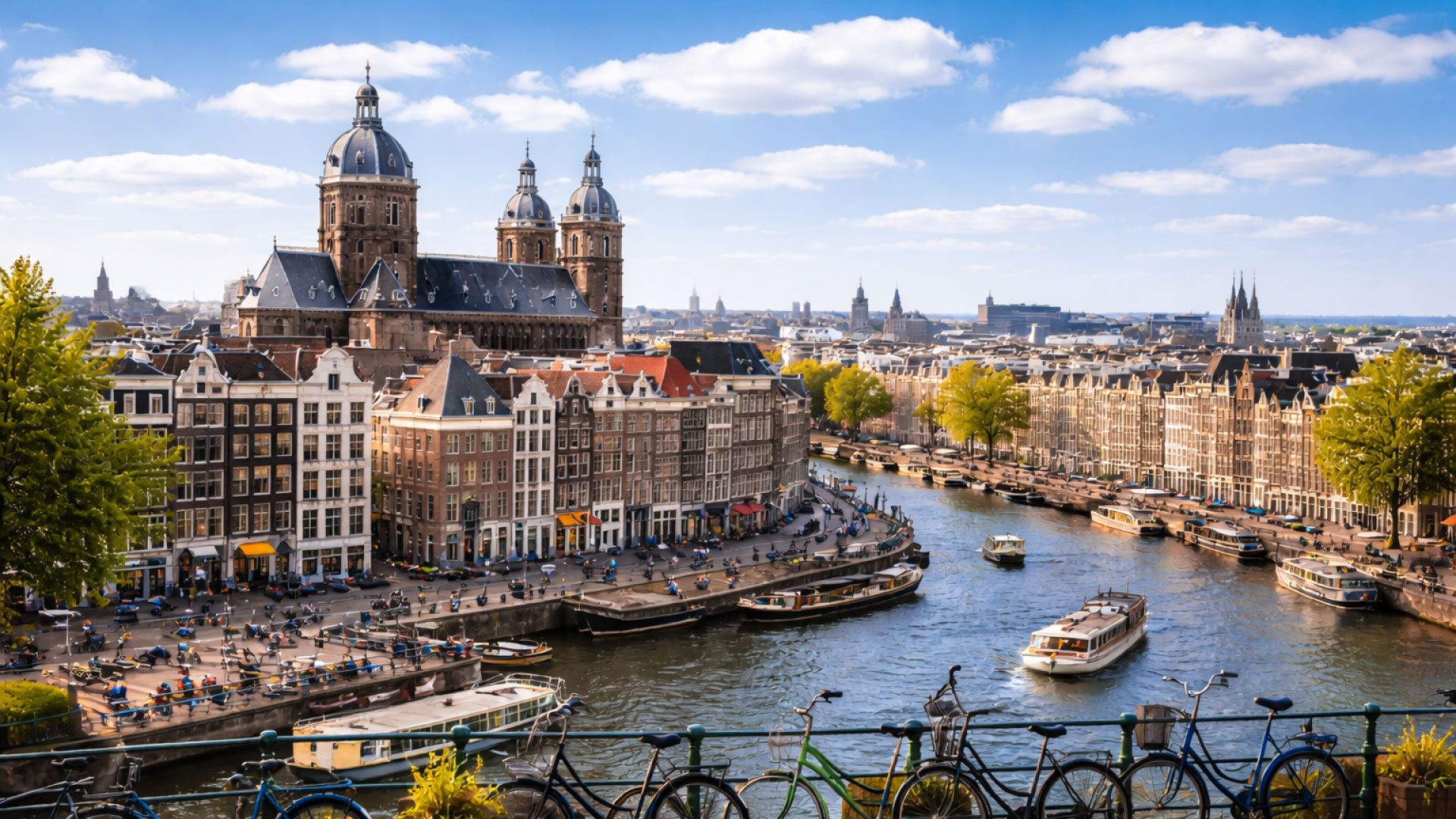
The Netherlands is much more than windmills and tulips; it is one of the most innovative, open, and progressive societies in the world. Located on the coast of the North Sea, this country stands out for its unparalleled international atmosphere, where 95% of the population speaks English fluently, eliminating barriers for foreign students. With an education system based on critical thinking and problem solving, it offers an exceptional quality of life in cities designed for people and bicycles, making it the perfect gateway to a global career in Europe.
CLIMATE
The Dutch climate is famous for being somewhat unpredictable, but you'll quickly get used to it. You'll experience four distinct seasons, although sometimes all in the same day! There are no extreme temperatures: winters are around 0°C - 5°C and summers are pleasant, between 20°C and 25°C. The key to life here is not bad weather, but the right clothing: you will learn to dress in layers and discover that a good raincoat is much more useful than an umbrella when cycling.

Cost of living
MONTHLY AVERAGE
SALARY

NATIONAL ECONOMY
Despite its compact size, the Netherlands is a true economic powerhouse, ranking as the world's 18th largest economy and serving as Europe's logistics gateway thanks to the port of Rotterdam and Schiphol Airport. It is an undisputed leader in innovation, agrotechnology, and water management (home to global giants such as ASML, Philips, and Unilever), offering a dynamic labor market with one of the lowest unemployment rates on the continent. For international talent, this translates into an open, horizontal, and predominantly English-speaking business environment, where high competitiveness is balanced with exceptional quality of life and financial stability.

Lives in
Netherlands
HEALTH
The healthcare system in the Netherlands is recognized worldwide for its excellence and accessibility, operating under a model where the family doctor (Huisarts) acts as the mandatory gateway for any non-urgent consultation and with whom you can communicate perfectly in English. To reside in the country, having health insurance is a legal requirement. If you are coming only to study, you can use affordable international private insurance (such as AON), but if you decide to work part-time, you will be required to purchase basic national insurance (Basisverzekering), the monthly cost of which can be almost entirely offset by applying for a state subsidy known as Zorgtoeslag.

DRIVING LICENSE
If you come from outside the European Union, you can legally use your foreign driver's license for the first 185 days (six months) after registering with the city council. After this period, most international students must apply for a Dutch license through a demanding and costly examination process; however, the reality is that you will rarely need a car: thanks to the efficient public transport network and world-class cycling infrastructure, owning a vehicle is considered an unnecessary and impractical luxury for everyday student life.


Discover
Netherlands
The Hidden Treasures of the Netherlands
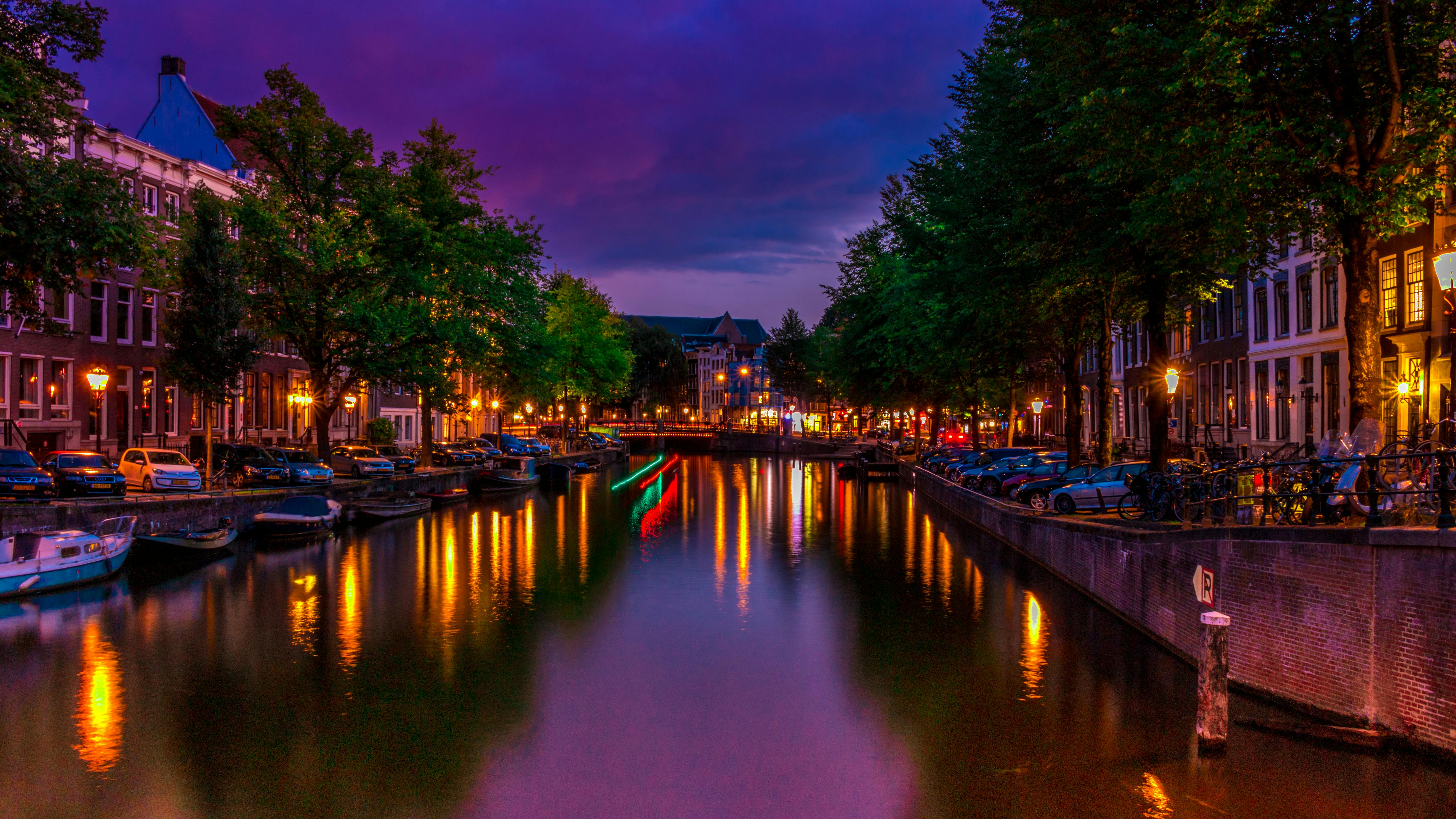
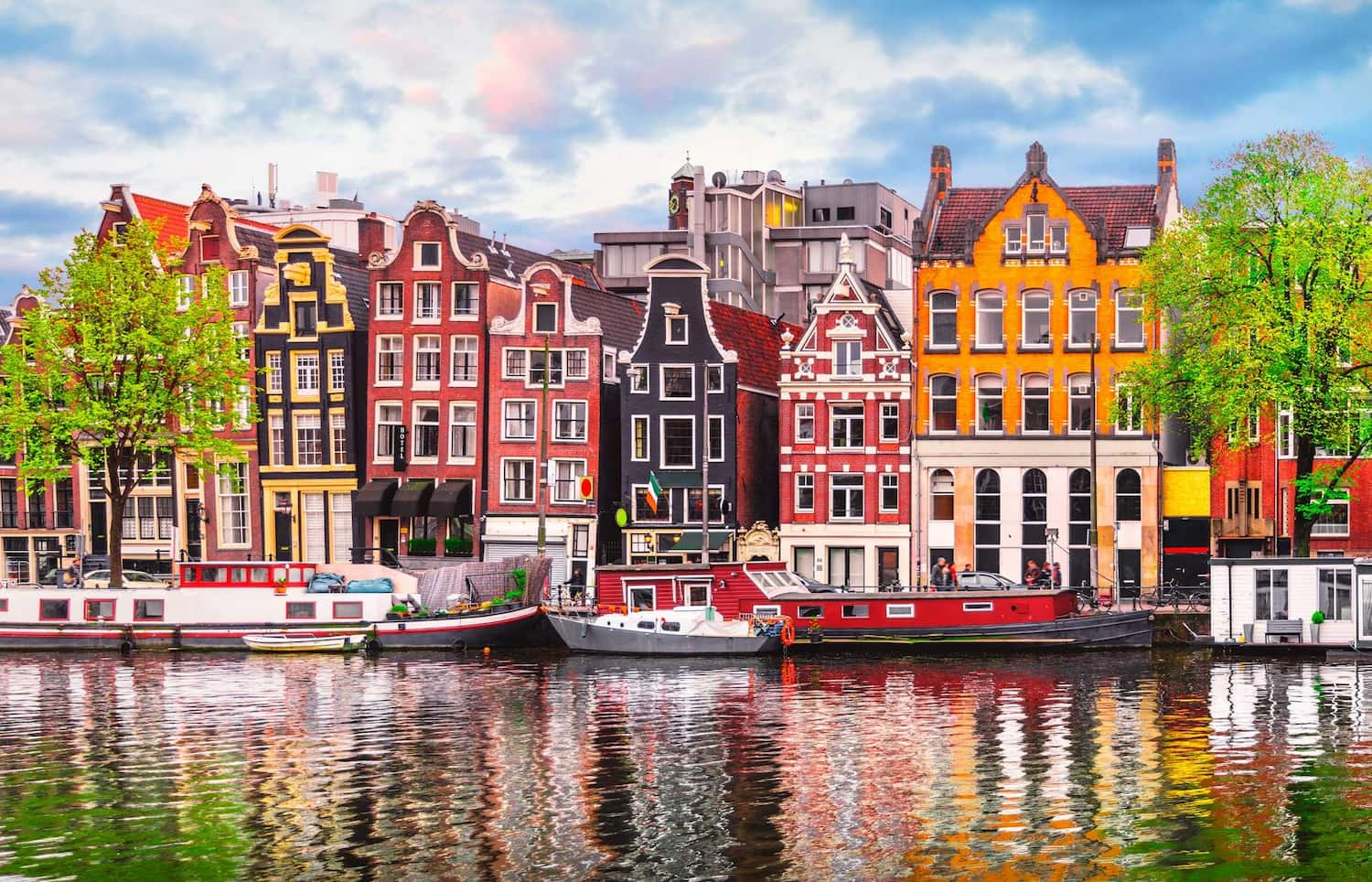
Although Amsterdam gets most of the global attention, the Netherlands offers surprising diversity that extends far beyond the capital. Thanks to its compact size and impeccable rail network, you can travel in minutes from the futuristic architecture and port of Rotterdam to the medieval charm of Utrecht's canals or the magic of Giethoorn, the village without roads. Every weekend is an invitation to explore: from the iconic windmills of Kinderdijk (a UNESCO World Heritage Site) and the colorful tulip fields of Keukenhof in spring to the vast beaches and dunes of the North Sea coast, you'll discover that this small country is, in fact, an endless open-air museum.
.jpg)
Live the Dutch Experience to the Fullest
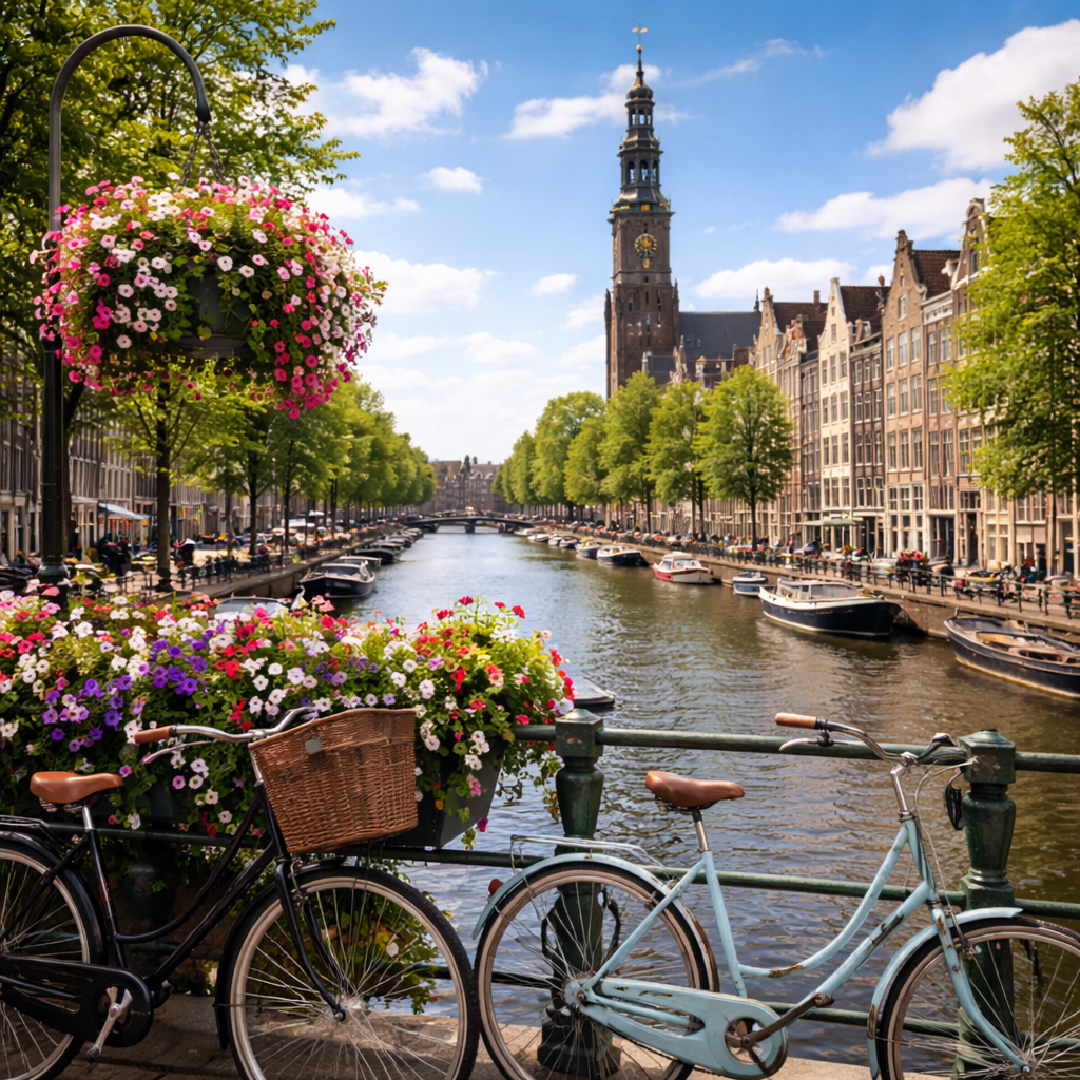
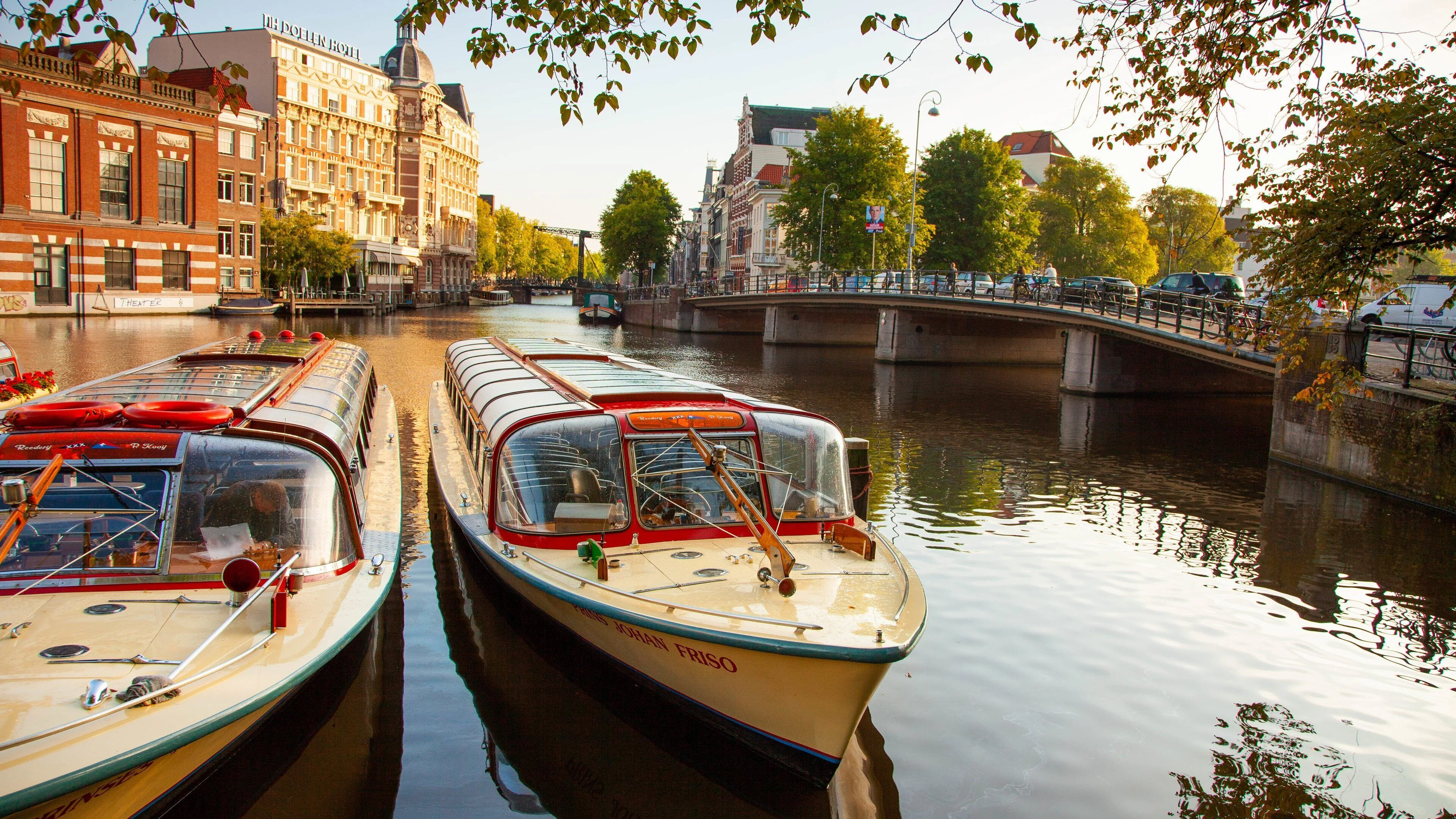
Life in the Netherlands is a constant invitation to action and discovery, where the bicycle becomes your passport to explore everything from the vibrant coastal dunes to the inland forests. Beyond the classroom, you can navigate the canals of Amsterdam or Utrecht by renting an electric boat with friends, immerse yourself in art history at the Van Gogh Museum, or join the orange tide during King's Day, Europe's largest and most spectacular street party. Whether enjoying a world-class electronic music festival or relaxing on a traditional terrace (borrel) at sunset, you'll discover that leisure here is experienced with a unique intensity and freedom.
.jpg)

Study at
Netherlands
List of educational institutions
Wittenborg University of Applied Sciences


Wittenborg University of Applied Sciences
Apeldoorn - Amsterdam

Frequently Asked Questions

Does the institution guarantee employment?
No. Institutions offer career guidance and services, but they do not guarantee employment.
Can I work in the Netherlands with a student visa?
Yes. Students can work:
• Up to 16 hours per week during the academic period, or
• Full time in summer (June to August)
The employer must apply for a work permit (TWV).
Is there a cost for the student visa?
Yes. The approximate cost of the residence permit is €210–€230, depending on the annual update.
Can the couple work?
Yes. The couple can work, although in some cases the employer must apply for a work permit.
Can my children study in the Netherlands?
Yes. Children have access to the public education system, and education is compulsory from the age of 5.

Cra. 15 No. 88-64, Local 103,
Bogotá, Colombia
2025 Rue Parthenais
suit 320
Montreal, Quebec, Quebec,
Canada


