


General Information

POPULATION:

LANGUAGE:
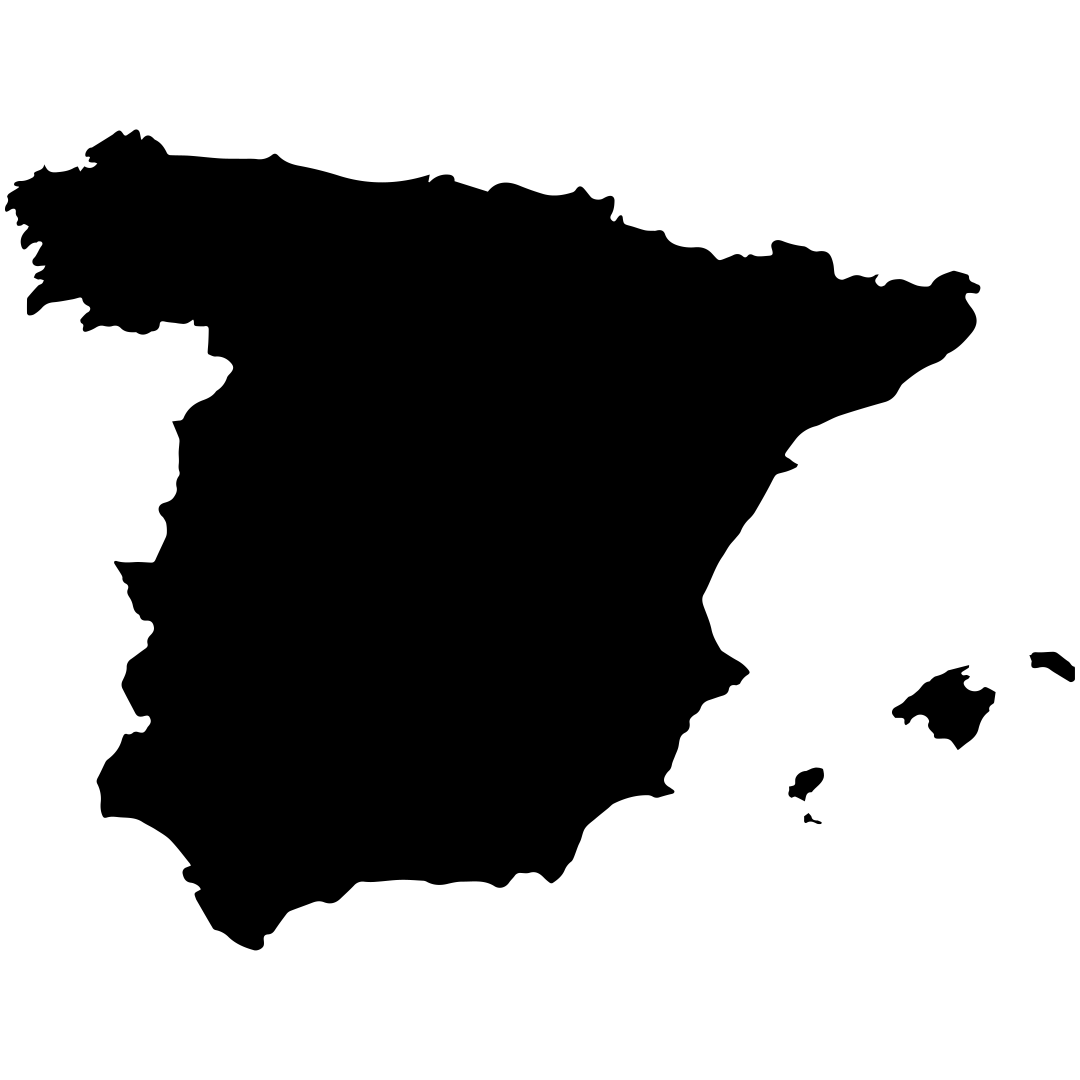
Spain is a multicultural country located in southwestern Europe, known for its rich history, world-renowned cuisine, and vibrant lifestyle. Made up of 17 autonomous communities, it offers a unique blend of traditions, iconic architecture, and diverse landscapes that include beaches, mountains, and modern cities. Its major cities, such as Madrid, Barcelona, and Valencia, stand out for their quality education, job opportunities, and international atmosphere. As a study destination, Spain combines academic excellence, relatively affordable costs, and a dynamic student life. Its pleasant climate and welcoming culture make it an ideal country to live and learn.

CLIMATE
It has a very varied climate due to its geography. Most of the country has a Mediterranean climate, with mild winters and warm summers. In the center, such as Madrid, the climate is continental, with very hot summers and cold winters. In the north, regions such as Galicia and the Basque Country have an oceanic climate, with more rainfall and cooler temperatures. In the south, especially in Andalusia, summers can exceed 40°C. This diversity offers ideal options for all tastes, from temperate coastal cities to cold mountainous areas, making it an attractive destination to study and live in.


Cost of living
MONTHLY AVERAGE
SALARY

NATIONAL ECONOMY
Spain is projected to be one of the most vibrant and resilient economies in the European Union, strongly leading strategic sectors such as renewable energy, biotechnology, and digital transformation. The country has established itself as a magnet for foreign investment and entrepreneurship, turning cities such as Madrid, Barcelona, Valencia, and Malaga into world-class technology hubs that compete directly on the global stage. This economic boom guarantees an ecosystem full of possibilities for talent development, where constant innovation and world-class infrastructure create the ideal environment for those seeking to grow in a nation that combines solid prosperity with an enviable quality of life.

Lives in
Spain

HEALTH
Accessing the healthcare system in Spain is a simple and structured process that ensures every international student receives care from day one. Students from the European Union have direct access through the European Health Insurance Card, integrating naturally into the public network. Students from outside the EU have comprehensive private international health insurance, a visa requirement that translates into privileged access to elite clinics and hospitals with minimal waiting times and multilingual care. In addition, thanks to current regulations that allow students to work up to 30 hours per week, those who enter the labor market automatically obtain the right to public Social Security, providing them with a double health protection network so that their only priority is to achieve success in their studies.

DRIVING LICENSE
Exploring every corner of Spain is a simple and accessible experience for international students thanks to a highly integrated and flexible mobility system that encourages freedom of movement. European Union citizens can drive directly with their original license, while students from outside the EU enjoy the great advantage of direct exchange agreements that Spain has with most Latin American countries, allowing foreign licenses to be validated quickly through a simple administrative procedure and a psychometric test. This process is designed to be efficient and transparent, ensuring that you will soon have a permit that is valid throughout the Eurozone. This ease of transportation gives you complete autonomy to discover the cultural richness and spectacular landscapes at your own pace, turning your studies into an unforgettable adventure on wheels.


Discover
Spain
Spain: A Canvas of Culture and Modernity for Your Growth
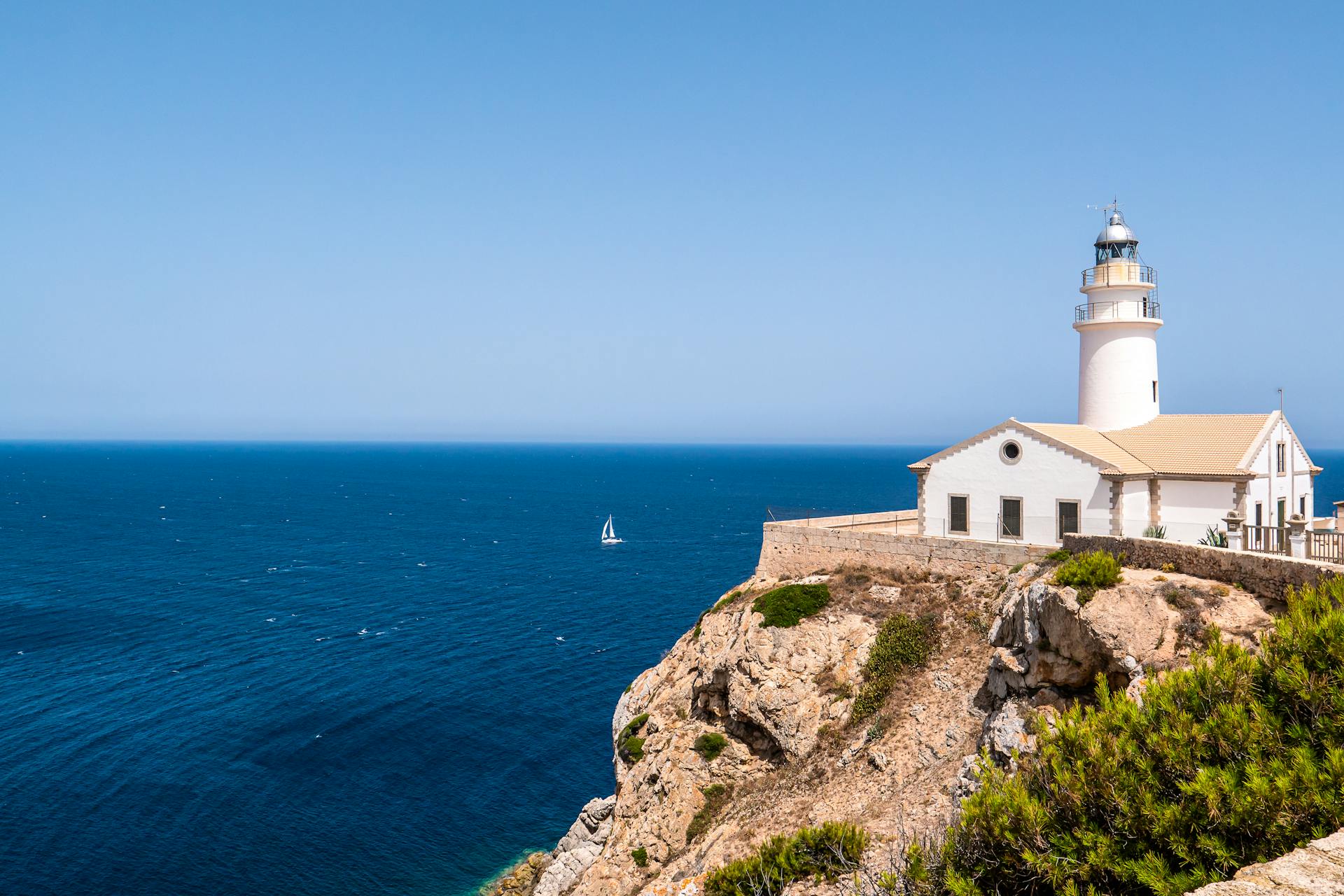
Spain is much more than an academic destination; it is a vibrant setting of history, art, and avant-garde culture that becomes the ideal extension of your classroom. From the cosmopolitan energy and financial centers of Madrid and Barcelona to the technological dynamism of Valencia and Malaga or the historical soul of Seville and Granada, every corner of the country offers a unique immersion experience. Thanks to a first-class transportation infrastructure and high-speed trains, you can travel in just a few hours from the majestic peaks of the north to the idyllic shores of the Mediterranean, discovering a world heritage that inspires creativity and personal enrichment. Studying in Spain means living in an environment where every city is a discovery and every landscape an opportunity to expand your international horizons.


High-Impact Experiences: Your Infinite Agenda in the Heart of Europe
In Spain, your free time becomes a competitive advantage thanks to a range of activities that balance professional growth with an enviable quality of life. You can surf the legendary waves of Mundaka in the north, ski under the Mediterranean sun in Sierra Nevada, or hike the historic trails of the Camino de Santiago, while integrating the vibrant culture of food markets into your routine to connect with talent from around the world. Your development never stops: you'll participate in cutting-edge hackathons and entrepreneurship fairs such as South Summit, attend iconic festivals such as Primavera Sound or Sónar, and explore treasures such as the Prado Museum or the magical nights at the Alhambra in Granada. It's a lifestyle designed to make every day an immersion in innovation, sports, and history, building a network of contacts and experiences that only such a diverse country can offer.


Study at
Spain
List of educational institutions

.png)
Vive Spanish School



Vive Spanish School
Valencia

ENAE Business and Business Administration School
ENAE Business and Business Administration School
Murcia

Vatel Spain
Vatel Spain
Madrid - Malaga

European University
European University
Madrid

Catholic University of Murcia
Catholic University of Murcia
Murcia - Cartagena

Schiller Spain
Schiller Spain
Madrid

International Council of Education ICEDU
International Council of Education ICEDU
Bilbao - Biscay

Compostela Business School
Compostela Business School
Madrid - Santiago de Compostela

Berlin School of Business and Innovation Spain
Berlin School of Business and Innovation Spain
Madrid - Barcelona

Frequently Asked Questions

Are student jobs paid?

70% of jobs are paid, and the average salary is €800 according to Glassdoor (https://www.glassdoor.es/Sueldos/barcelona-practicante-sueldo-SRCH_IL.0,9_IC2547194_KO10,21.html)
Note: It is not explicitly stated that the jobs are paid, because some of the companies offer unpaid positions.
Does the school guarantee me a job?
No, no business school or institution can guarantee employment from a legal standpoint, as it depends on:
Availability of the job position.
The student's profile matching the job position.
The student passing the personnel selection filters. Therefore, schools regularly support students in their job search, BUT they cannot take responsibility for finding a job, which is solely the student's responsibility.
Can I work in Spain with a student visa?
Yes, as of July 2022, you can work 30 hours per week (the highest number of hours in the US). You can work in any professional field and in any sector.
*A STUDENT VISA IS NOT A WORK PERMIT; it allows you to work 30 hours per week.
Is there a cost for the student visa?
In Colombia there is no cost, in Peru there is (321.10 soles), in Ecuador there is (84.97 USD), so depending on the country, you can check whether there is a cost on the website https://www.exteriores.gob.es/.
Can the student's partner or companion work?
No, but if you can look for a job and change your immigration status from a dependent visa to a residence and work permit, the other option is to find an academic program at your destination that lasts more than six months, which will allow you to obtain a student visa, giving you access to work 30 hours per week.

Cra. 15 No. 88-64, Local 103,
Bogotá, Colombia
2025 Rue Parthenais
suit 320
Montreal, Quebec, Quebec,
Canada


