

General Information

POPULATION:

LANGUAGE:
Australia is positioned as a global leader in higher education, offering a perfect combination of academic innovation and an unparalleled quality of life. With world-class cities such as Sydney, Melbourne, and Brisbane, the country attracts students from all over the world thanks to its safe, multicultural, and dynamic environment. Studying in Australia not only guarantees an internationally recognized degree, but also the possibility of balancing studies with part-time work and enjoying post-study migration opportunities in a resilient and constantly growing economy.

CLIMATE
The climate in Australia is extremely diverse due to its vast territory, ranging from tropical in the north to temperate in the south. In cities such as Sydney and Perth, summers (December to February) are warm and sunny, with temperatures averaging between 18°C and 30°C. Winters (June to August) are mild, with averages between 9°C and 17°C. In the north (Darwin), the climate is tropical with a wet and dry season, while in Melbourne the weather is famous for changing dramatically in a single day. Abundant sunlight makes outdoor living the norm for most of the year.

Cost of living
MONTHLY AVERAGE
SALARY
NATIONAL ECONOMY
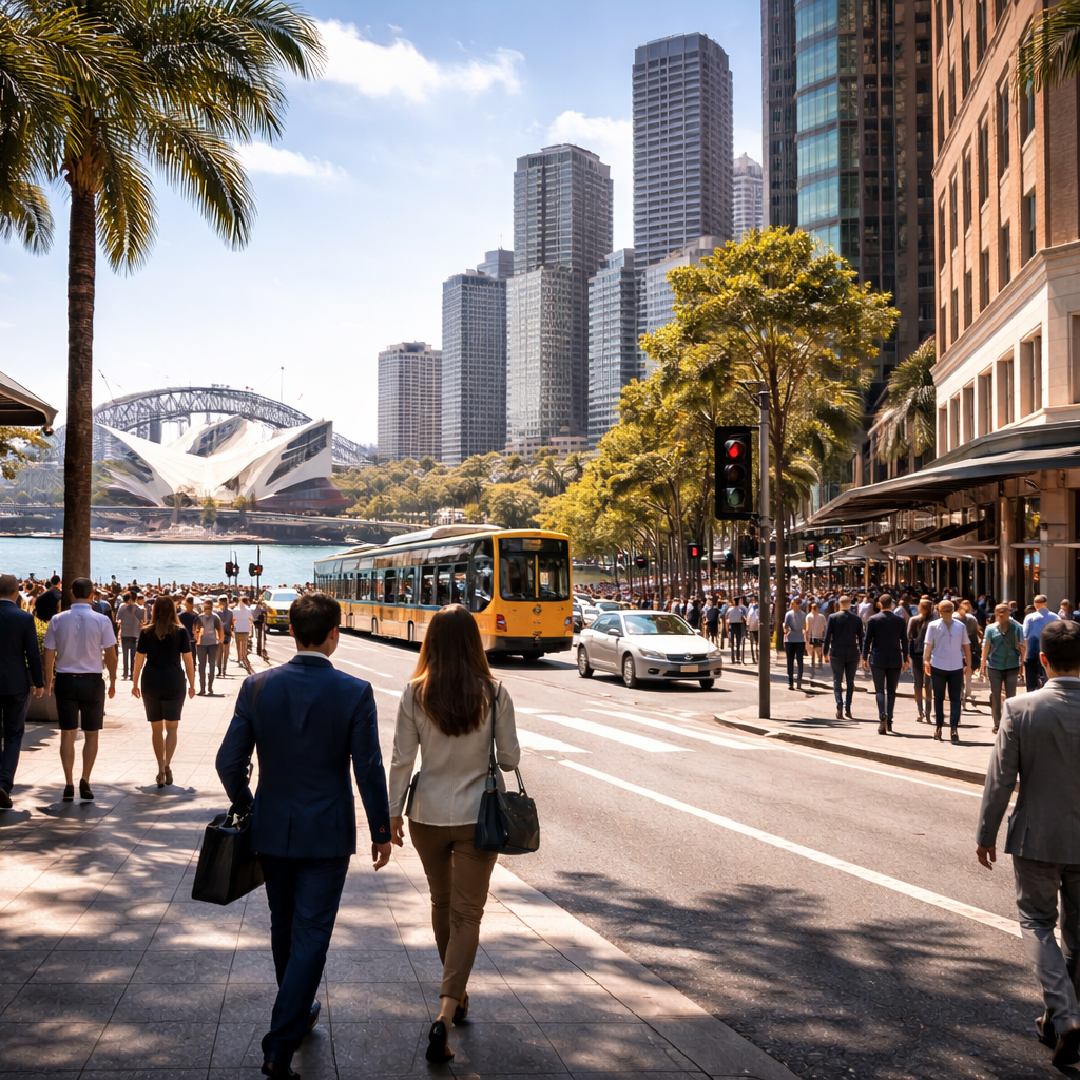
The Australian economy is one of the most stable and strongest in the world, driven by mining, agriculture, international education, and financial services. With a robust labor market and low unemployment rate, Australia offers a fertile environment for professionals in the fields of healthcare, engineering, IT, and renewable energy. The country encourages innovation and entrepreneurship, providing international graduates with post-study work visas (Temporary Graduate Visa) that are an excellent way to gain professional experience abroad.


Lives in
Australia

HEALTH
Australia has a world-class healthcare system called Medicare, but international students must have OSHC. Overseas Student Health Cover (OSHC) is compulsory health insurance that students must maintain throughout their stay. This insurance covers doctor visits, part of the cost of medication, and hospitalization. The medical infrastructure, both public and private, is excellent and technologically advanced.

DRIVING LICENSE
Driving regulations in Australia are managed by each state. Generally, international students can drive with their foreign license (accompanied by an official translation if it is not in English) for a period of 3 to 6 months. After this time, most states require temporary residents to obtain a local Australian license, which may involve a knowledge or practical test depending on the country of origin.


Discover
Australia
From the Outback to the Great Barrier Reef: Australia's Unique Landscapes
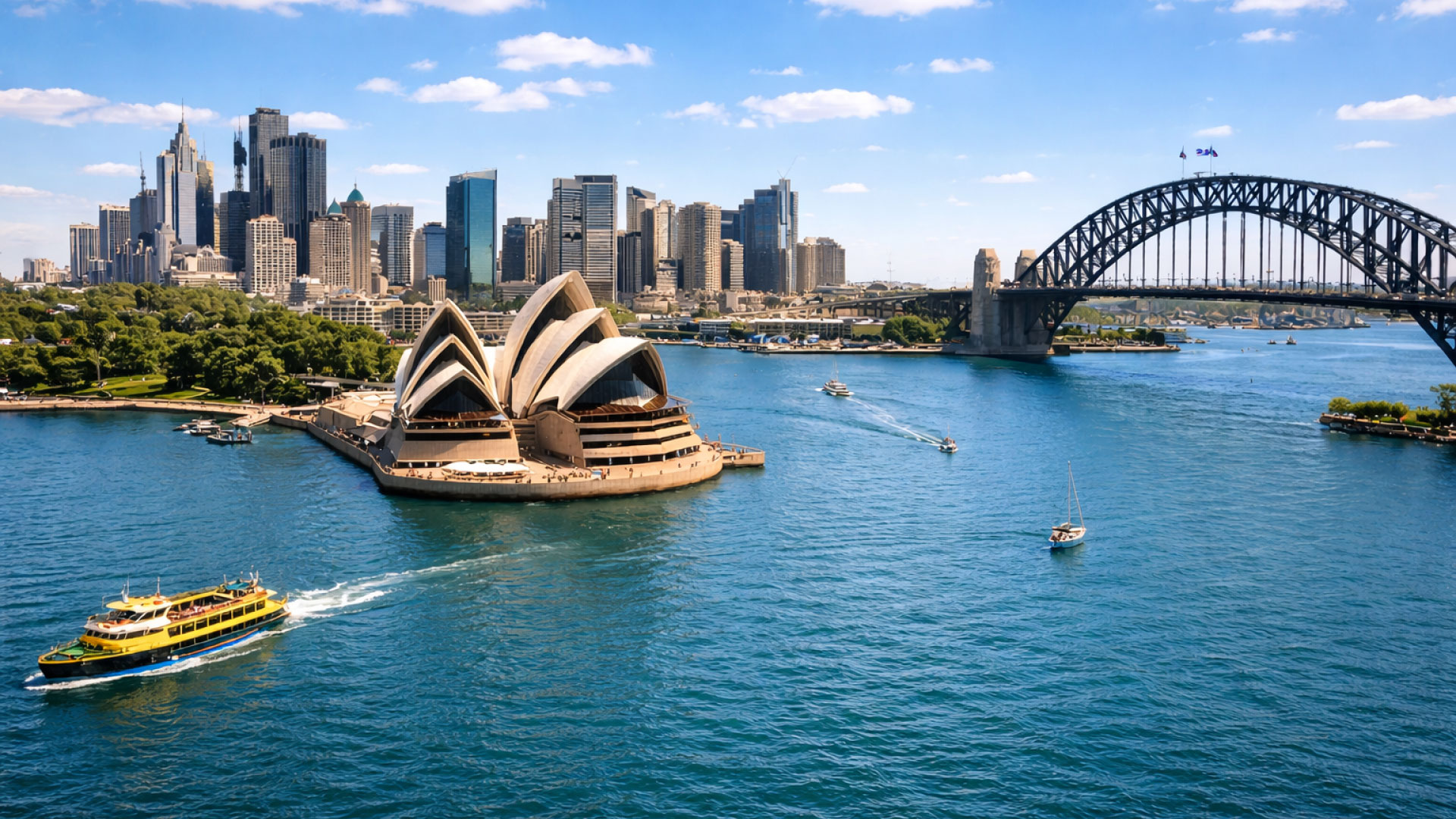
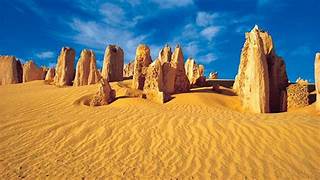
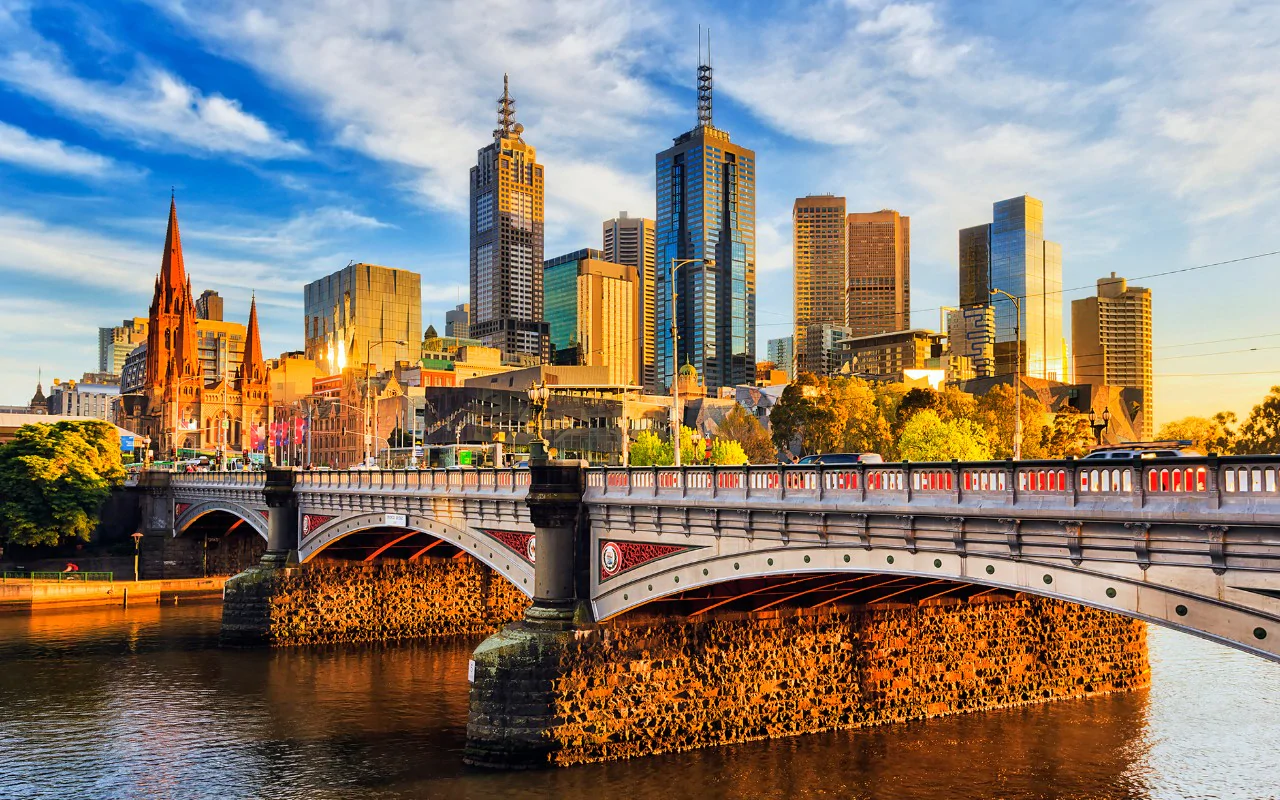
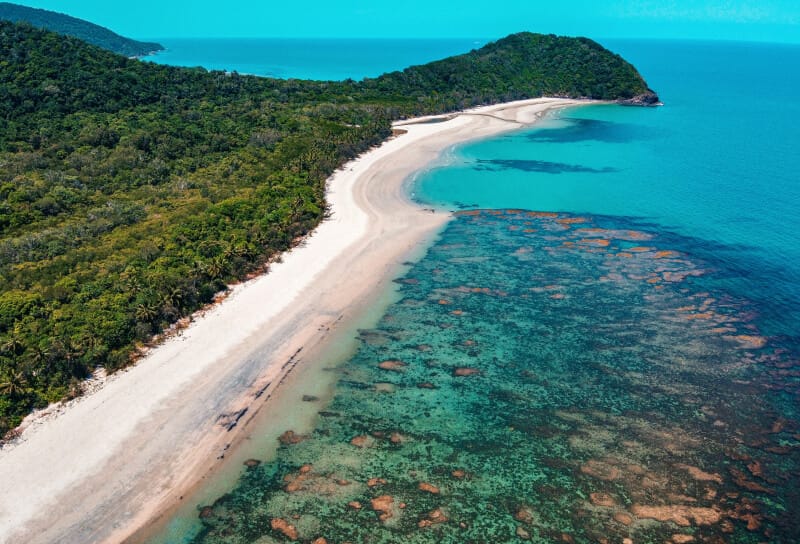
Australia is a continent of astonishing contrasts, offering everything from mystical red deserts to vibrant coral reefs. Students should explore iconic landmarks such as the Sydney Opera House and cross the Bay Bridge, or immerse themselves in the urban culture of Melbourne, known for its art-filled alleys and cafes. For nature lovers, the Great Barrier Reef in Queensland and the sacred monolith of Uluru in the center of the country are must-see attractions. Each state offers a different adventure, from the rainforests of the north to the world-class vineyards in the south.
"No Worries" Lifestyle: Sports, Nature, and Coffee
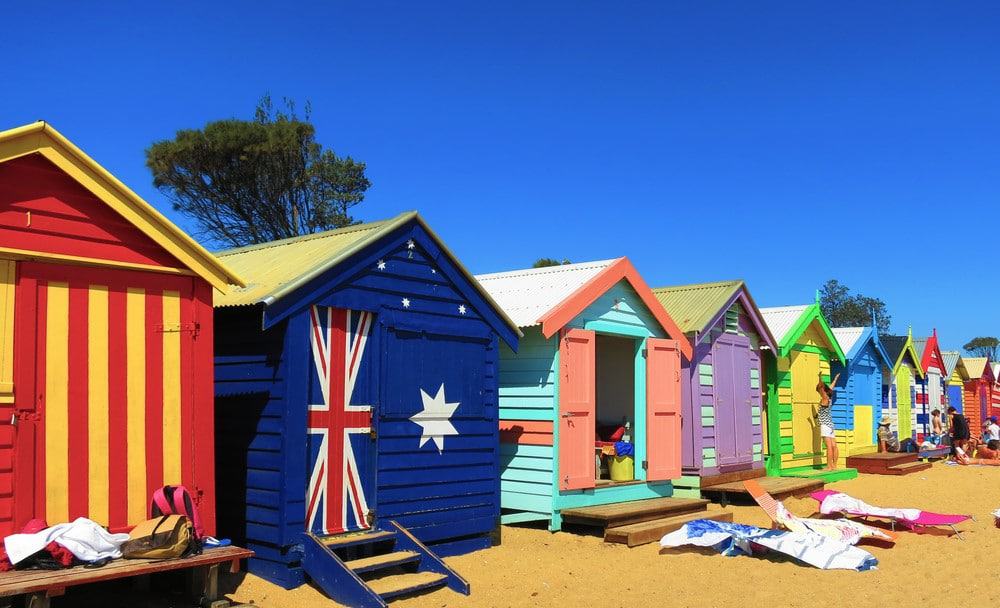
Life in Australia revolves around balancing work and outdoor enjoyment, under the famous "no worries" philosophy. Surfing at the famous Bondi Beach, cricket, Australian football (AFL), and Sunday barbecues in public parks are pillars of local culture. Students can enjoy a diverse food scene and a coffee culture that is considered among the best in the world. In addition, weekend activities often include camping, hiking in national parks, and outdoor music festivals, encouraging an active and healthy social life.


Study at
Australia
List of educational institutions
.png)
ILSC Language Schools



ILSC Language Schools
Sydney - Brisbane - Gold Coast - Perth - Melbourne
.png)
Imagine Education Australia
Imagine Education Australia
Brisbane and Gold Coast
.png)
Australian Institute of Language
Australian Institute of Language
Melbourne

Frequently Asked Questions

Does the institution guarantee employment?

No. No institution can guarantee employment. However, many offer career services and job support.
Can I work in Australia on a student visa?
Yes. Students can work up to 48 hours every two weeks during the academic period and full time during vacations.
Is there a cost for the student visa?
Yes. The approximate cost of the Subclass 500 visa is AUD $710, not including additional fees for family members.
Can the couple work?
Yes. The student's partner can work:
• Master's or doctoral programs: full-time work
• Other programs: up to 48 hours per fortnight
Can my children study in Australia?
Yes. Children can access the Australian education system. Public education may incur costs depending on the state.

Cra. 15 No. 88-64, Local 103,
Bogotá, Colombia
2025 Rue Parthenais
suit 320
Montreal, Quebec, Quebec,
Canada


