


General Information

POPULATION:

LANGUAGE:
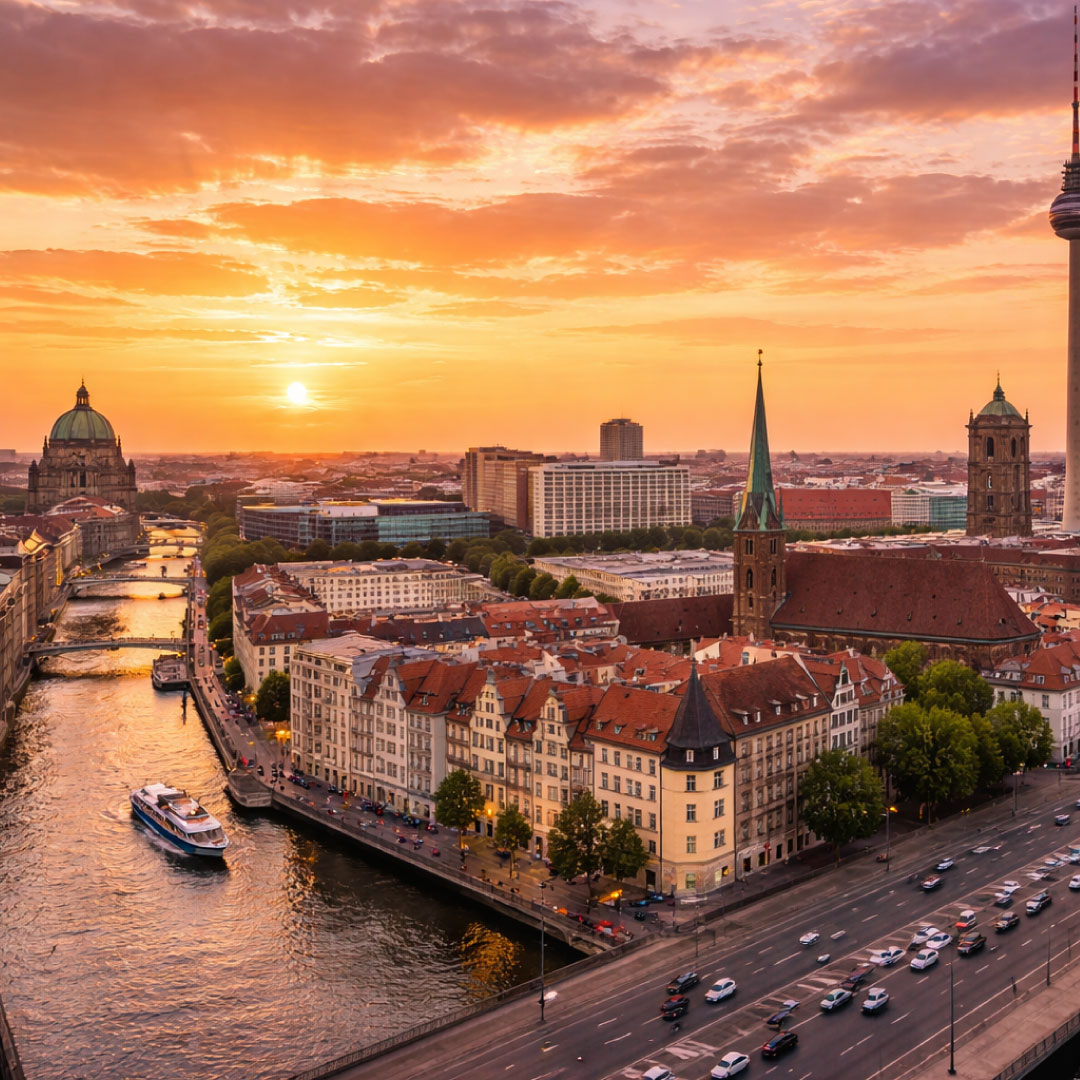
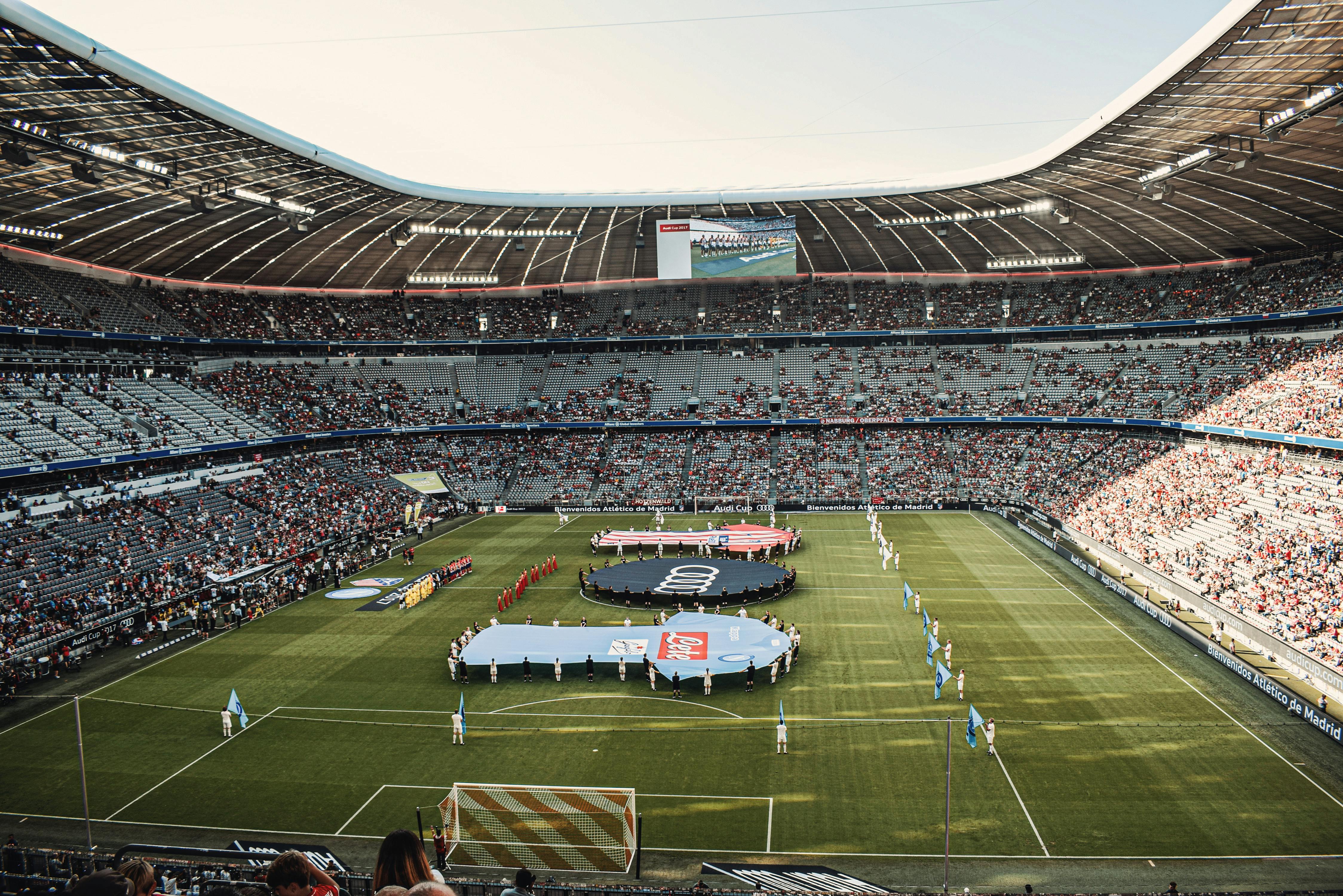
Germany is positioned as a leading destination for international education, combining academic excellence with a vibrant global environment. Recognized worldwide for its prestigious universities and focus on innovation, engineering, and cutting-edge research, the country offers a solid path for professional and personal development. Beyond its rich history and dynamic cities, from the political and cultural center of Berlin to the economic powerhouse of Munich, Germany stands out for providing a high quality of life, ample post-study job opportunities, and a safe environment. Studying in this country not only means accessing world-class programs, but also becoming part of a diverse community that values efficiency, sustainability, and an international perspective.

CLIMATE
Germany has a temperate climate with four distinct seasons, providing a varied experience throughout the year. Summers (June to August) are generally warm and pleasant, with average temperatures ranging from 18°C to 25°C (and can reach peaks of over 30°C). Winters (December to February) are cold and can be accompanied by frost and snow, especially in the south and east, with temperatures ranging from -5°C to 5°C. Spring and fall are transitional seasons with moderate temperatures and regular rainfall, creating ideal conditions for study and exploration. Students should be prepared for variable weather, and it is essential to have warm, rainproof clothing.

Cost of living
MONTHLY AVERAGE
SALARY

NATIONAL ECONOMY
Germany's economy is the largest in Europe and one of the world's leading export powers, a key pillar of its appeal to international students. Characterized by its stability, strong focus on technological innovation, and high-precision engineering, the German economy offers countless job opportunities. Its key sectors include automotive manufacturing, machinery, information technology (IT), and the chemical industry. This robust economic structure translates into high demand for qualified professionals with university degrees. For international recent graduates, the country's economic stability ensures excellent prospects for job placement and the development of a successful long-term career.


Lives in
Germany

HEALTH
Germany's healthcare system is recognized worldwide for its high quality, efficiency, and universality. It is based primarily on a compulsory social insurance system (Krankenversicherung) and is divided into two branches: public health insurance (GKV - Gesetzliche Krankenversicherung) and private health insurance (PKV - Private Krankenversicherung). International students are required to have valid insurance from day one. Students under the age of 30 are usually eligible for the GKV preferential rate, which guarantees full coverage of medical services, hospitalization, and medications, providing peace of mind and access to excellent medical care throughout their stay in the country.

DRIVING LICENSE
For international students and residents in Germany, driver's license regulations depend on the country of origin. In general, licenses issued by countries in the European Union (EU) and the European Economic Area (EEA) are automatically valid indefinitely. For licenses issued outside the EU/EEA, you are allowed to drive with your original foreign license, accompanied by an official translation, for a period of six months (in some cases, this can be extended to twelve months). After this initial period, residents must exchange or revalidate their license, which often involves taking a German theory and/or practical driving test, an important step to consider for long-term mobility.


Discover
Germany
Beyond campus: Discover Germany's treasures
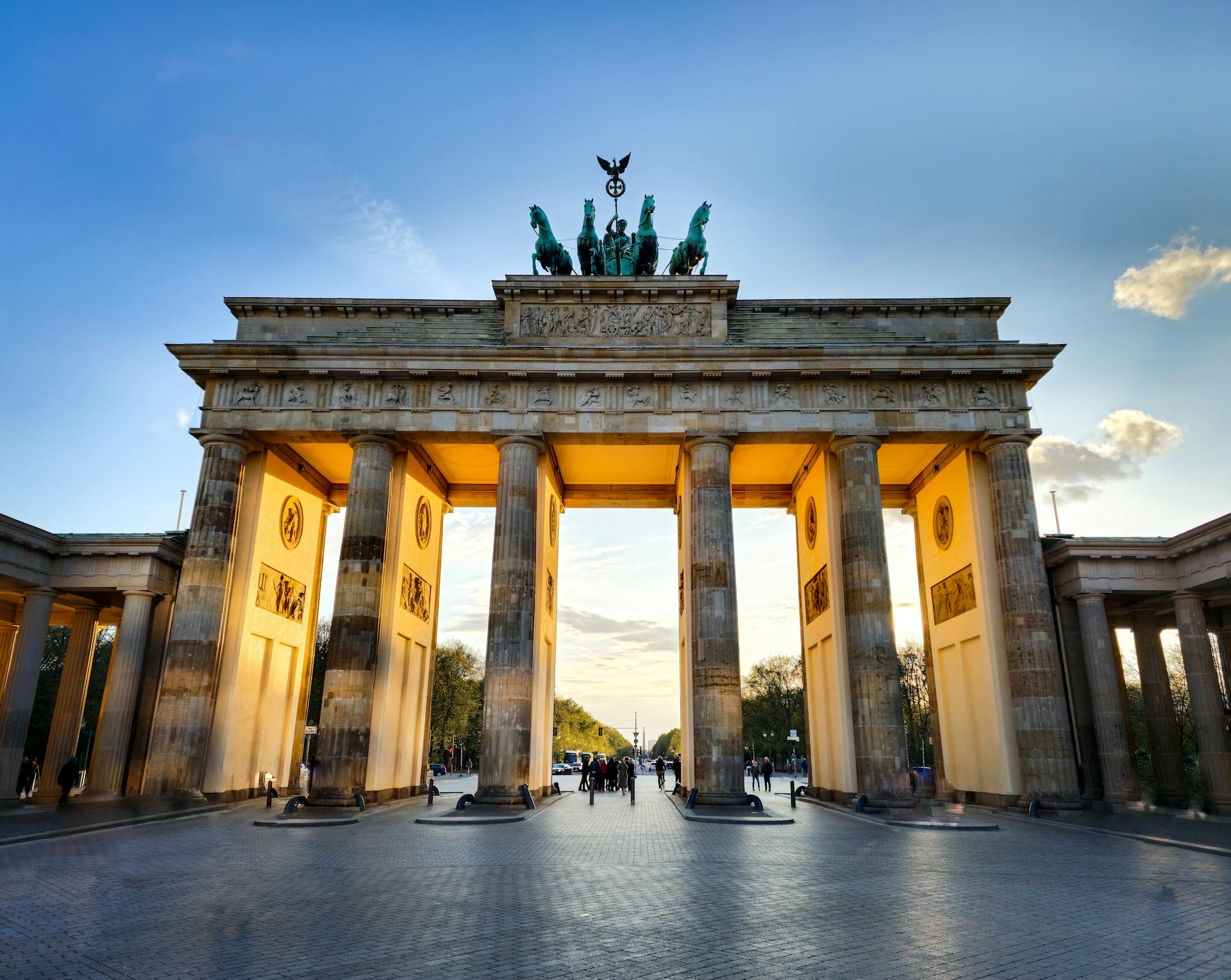
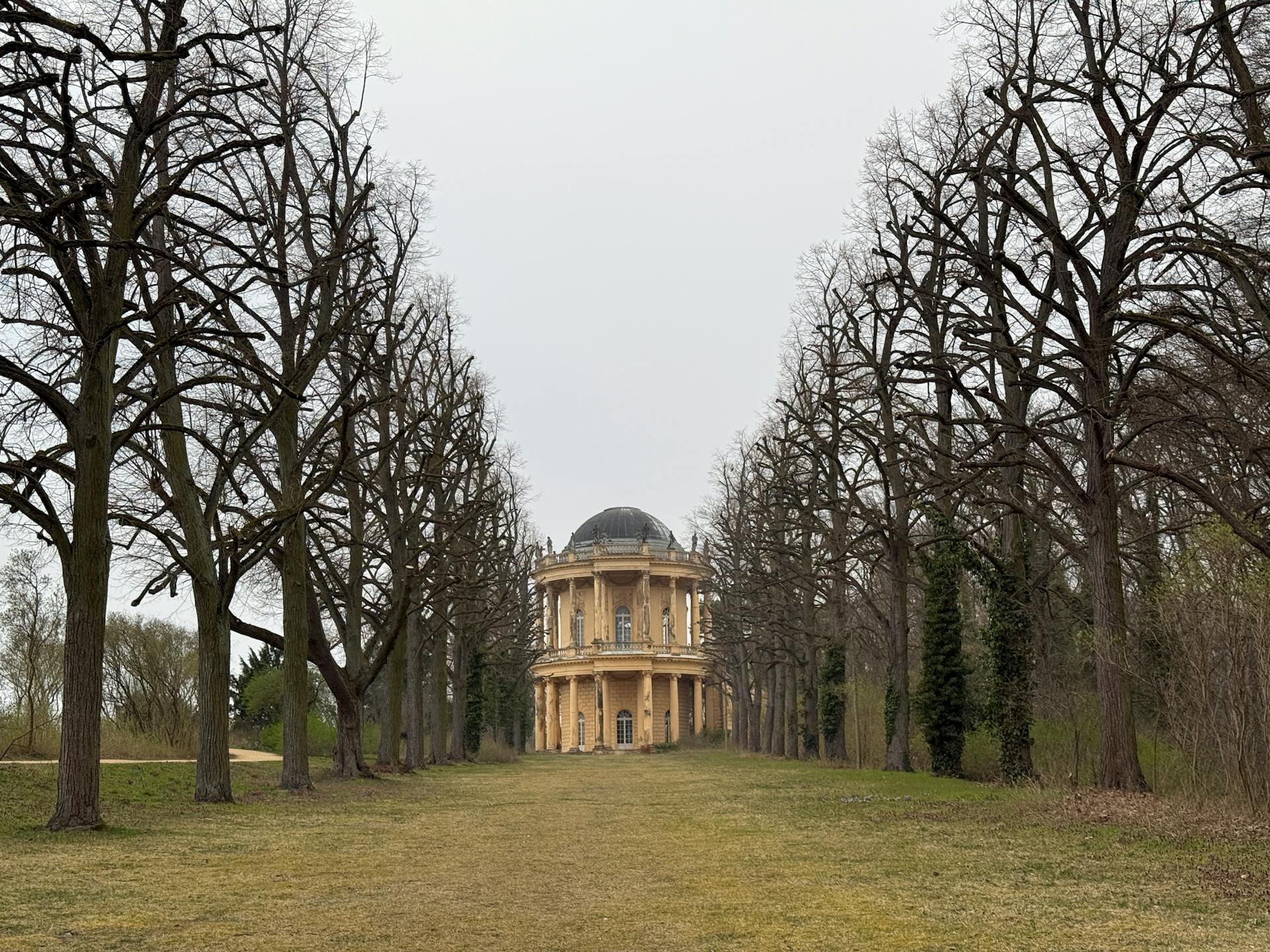
Germany is a country that constantly invites exploration, offering international students a perfect escape from academic life. Take advantage of your time to immerse yourself in the cultural and historical richness, from strolling through the ruins of the Berlin Wall and contemplating the majesty of Neuschwanstein Castle, to losing yourself in the dense forests of the Black Forest. Weekends are ideal for taking the efficient trains and discovering the medieval architecture of cities such as Rothenburg, or enjoying the vibrant artistic and social scene of Hamburg and Munich. Studying in Germany places you in the heart of Europe, facilitating unforgettable trips and the opportunity to build a unique global perspective.


German life outside the classroom: Activities and leisure
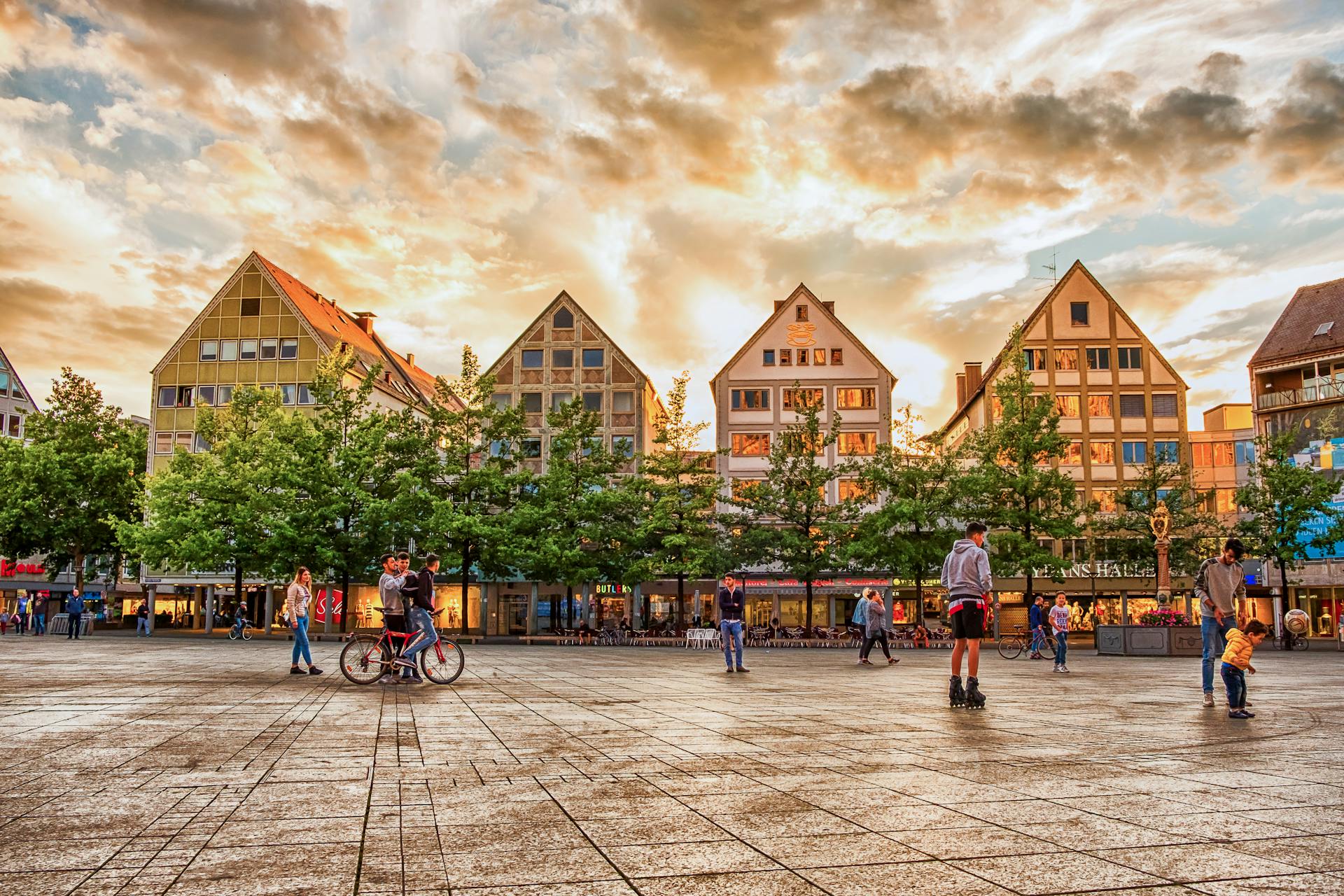
Cultural immersion is an integral part of the experience of studying in Germany, fostered by a rich art, music, and festival scene. Germany is the birthplace of great composers and philosophers, and its numerous world-class opera houses, concert halls, and museums, such as those on Museum Island in Berlin, offer constant access to high culture. On the social side, the country values local traditions and celebrations; from the world-famous Oktoberfest in Munich to the carnivals (Karneval) in the Rhineland, there is always a regional festival or event to participate in. This mix of access to formal culture and participation in vibrant folk traditions ensures that students not only learn in the classroom, but also build a strong social network and enjoy dynamic leisure activities.
Study at
Germany
List of educational institutions
Constructor University



Constructor University
Bremen

University of Europe Germany
University of Europe Germany
Berlin - Hamburg - Iserlohn
Schiller Germany
Schiller Germany
Heidelberg

International School of Management
International School of Management
Dortmund – Frankfurt – Munich – Hamburg – Cologne – Berlin

ICN Business School Germany
ICN Business School Germany
Berlin

Gisma
Gisma
Potsdam - Berlin-Hamburg - Hanover

Frequently Asked Questions

Do you need a visa to study in Germany?

Yes. All Latin American students who plan to study for more than 90 days must apply for a national study visa (D-Visa). This visa allows you to enter the country and, once in Germany, apply for a residence permit for study purposes.

Cra. 15 No. 88-64, Local 103,
Bogotá, Colombia
2025 Rue Parthenais
suit 320
Montreal, Quebec, Quebec,
Canada


